
'Wild Silence' Review: When Survival Stops Being Physical and Becomes Emotional
Mar 18, 2026



I honestly thought I knew exactly what kind of vertical this was going to be. The title alone sounds like pure vertical drama chaos: accidental pregnancy, toxic marriage, hidden paternity, contract relationships, the gentle “green flag” love interest caught between fear and survival.
We have all seen stories built from these ingredients before, so I went in expecting something dramatic, addictive, and trope-heavy. What caught me off guard was how emotionally suffocating the series became once it settled into Julia’s reality.
Advertisement
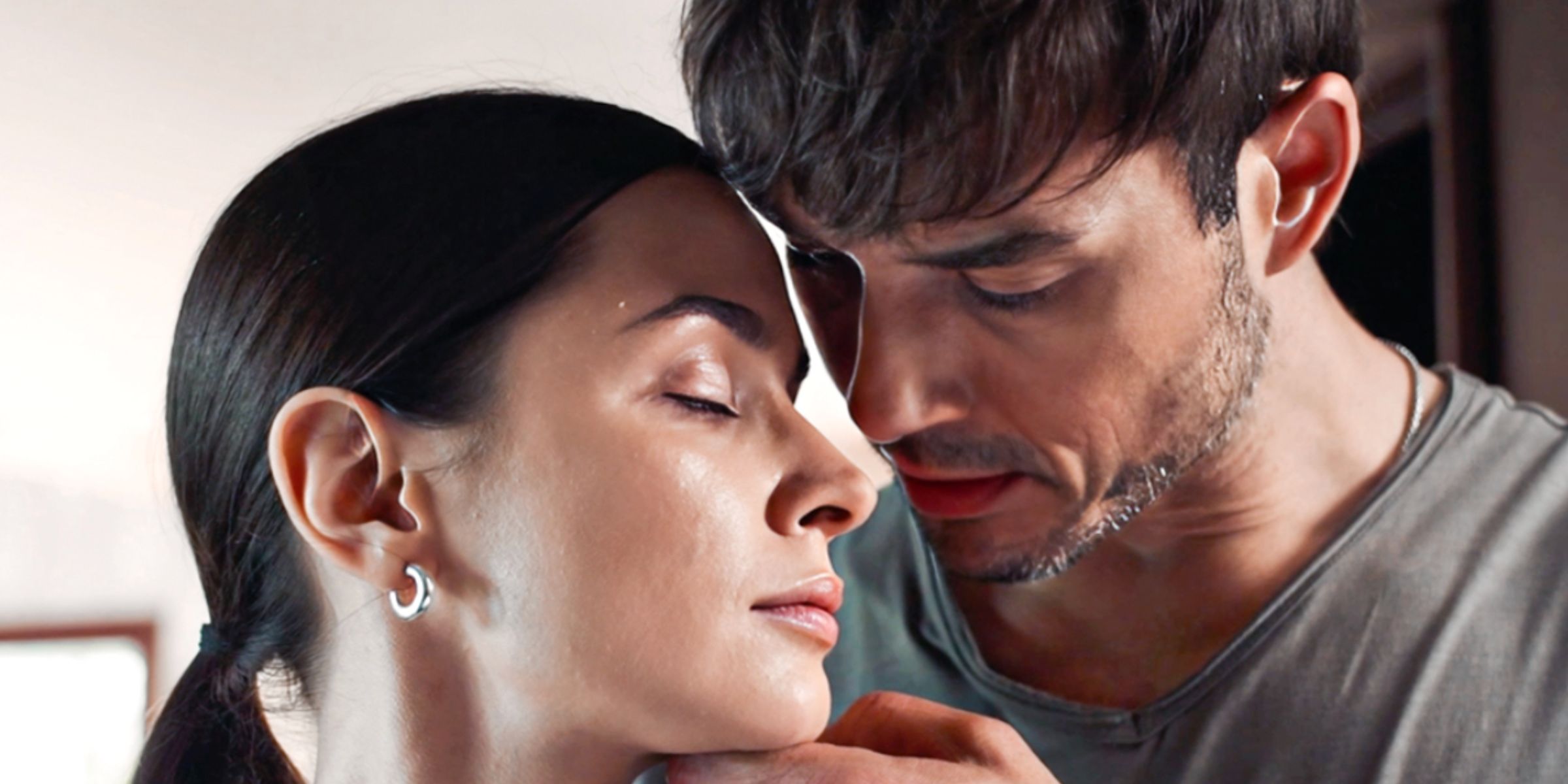
"Pregnancy Contract: A Love Triangle" (Dramashorts, 2025) plays its drama painfully straight. The atmosphere feels heavy almost immediately, and once the story tightens around Julia, it rarely gives her, or the audience, room to breathe.
Julia has spent five years trapped in a marriage with Eric, a wealthy businessman who controls through fear, manipulation, and emotional pressure. After finally reaching a breaking point, she crosses paths with Max, a quiet waiter whose kindness feels unfamiliar after years of neglect and survival.
One vulnerable night changes everything, and soon Julia finds herself pregnant while desperately trying to hide the truth from the man she fears most.
Once the contract enters the story, every decision begins carrying consequences. The emotional pressure intensifies quickly, and that constant tension becomes the true engine driving the series forward.

The poster for "Pregnancy Contract: A Love Triangle" | Source: IMDb
What worked for me most is that the drama gives vulnerability space to exist instead of rushing from twist to twist every thirty seconds. Even within the short vertical format, it feels closer to a tense serialized TV drama or soap opera, where confrontations matter and emotional consequences actually linger.
Advertisement
The storyline still leans heavily into familiar tropes, and there are moments where the writing circles the same conflicts a little too often. A few scenes could have been trimmed for tighter pacing, especially during the repeated power struggles between Julia and Eric. But despite that, the emotional tension stays strong because the series understands restraint.
It knows when to sit in discomfort instead of constantly screaming for attention.
I also appreciated that the characters are not written as purely good or evil. Julia makes questionable choices. She lies, hesitates, and sometimes acts from fear instead of logic. But that is exactly what makes her believable. She is not written like a perfect victim designed to gain sympathy. She feels like someone trying to survive a situation where every option comes with consequences.
Eric is probably one of the most unsettling parts of the series because his behavior feels painfully realistic. His obsession is rooted in power, control, and the need to win rather than love itself. The marriage stops feeling like a relationship and starts feeling like psychological warfare. There are small hints that something genuine may have once existed between them, which somehow makes everything even sadder.
Then there is Max, whose presence completely changes the emotional atmosphere of the story. His kindness never feels overly idealized or performative. He is struggling financially, emotionally insecure, and fully aware that falling for a married woman complicates everything. That vulnerability is what makes him compelling. The connection between him and Julia feels less like fantasy and more like relief. With Max, Julia is finally allowed to exist without fear.
Mariya Vyshnevska gives Julia a quiet fragility that makes every scene feel painfully real. The fear sits in her body language, in the pauses before she speaks, in the tiredness she carries like second skin. She never overplays the suffering, which makes it hit even harder.
Advertisement
Beside her, Bogdan Ruban brings a gentle sincerity to Max that keeps the romance grounded instead of overly idealized. He plays Max with restraint and uncertainty, letting the tenderness grow naturally rather than forcing it, and that soft vulnerability is exactly why their connection feels believable.
Max Tkachenko is deeply unsettling as Eric, not through loud outbursts alone, but through control, calculation, and the constant feeling that danger could surface at any second. His stillness becomes intimidating, and every shift in tone tightens the tension.
The supporting cast also strengthens the story beautifully. George Khostikoev brings warmth and compassion as the doctor, Lubomir Smeliov slowly turns Bobby into an unexpectedly memorable presence, while Zlatka Bondar, Olenka Kurta, and Volodymyr Zakharenkov add brief moments of softness, humor, and humanity that help the series breathe amid all the heaviness.
What stayed with me most after finishing this vertical was not the twists or the love triangle. It was the emotional exhaustion sitting underneath everything. This story understands how fear slowly reshapes people. How control can make someone feel trapped inside their own life. And how even the smallest amount of kindness can feel life-changing when someone has spent years surviving instead of living.
This series is not flawless. Some story beats repeat themselves, and a few emotional threads deserve more depth. But the sincerity of the performances and the grounded emotional tension carried me through all of it. I stayed invested because the characters felt flawed, desperate, messy, and painfully real.
If you enjoy vertical dramas that lean into emotional intensity, messy relationships, and the quiet damage people carry, this is absolutely worth your time. It is tense, frustrating, tender, and emotionally raw without ever feeling hollow. The story understands that love is not always soft or uncomplicated. Sometimes it becomes the very thing that helps people endure what they thought would break them.
Advertisement
About the Author:
Liz is the voice behind PortraitStoryDiaries, writing reflective reviews that explore the emotional layers of vertical dramas. Her work highlights the craft, performances, and quiet storytelling moments shaping the evolving vertical drama landscape.

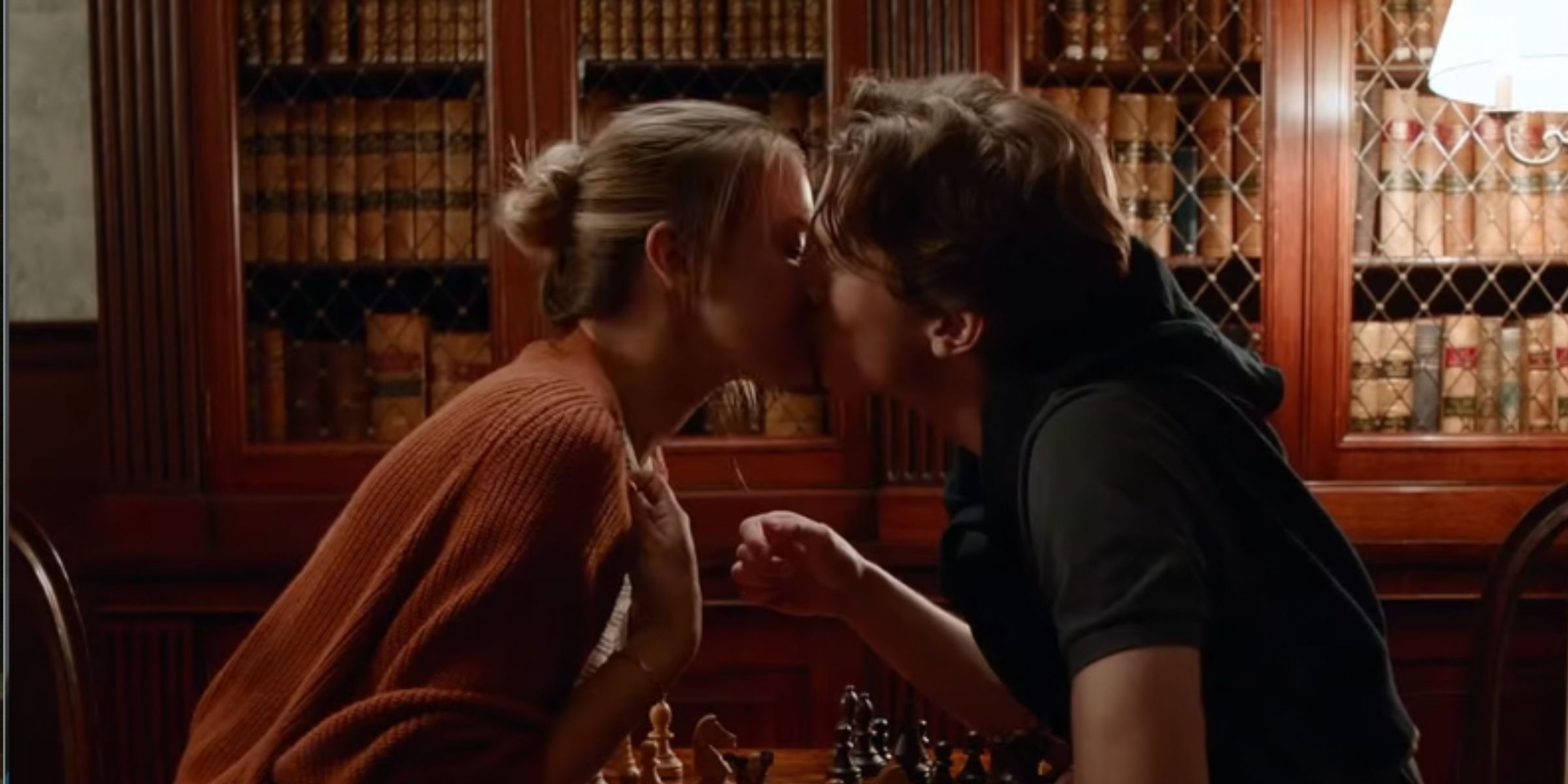
Secrets, betrayal, and unexpected love sit at the center of "Pregnancy Contract: A Love Triangle," a romance drama that follows one woman caught between the life she’s trapped in and the future she never expected.
May 12, 2026

Somewhere between the chaos and the chemistry, "Saved by the Sexy Cowboy" becomes something softer than I expected. Underneath the horse riding and tension sits a story about healing, trust, and learning how to stop living in survival mode.
May 19, 2026
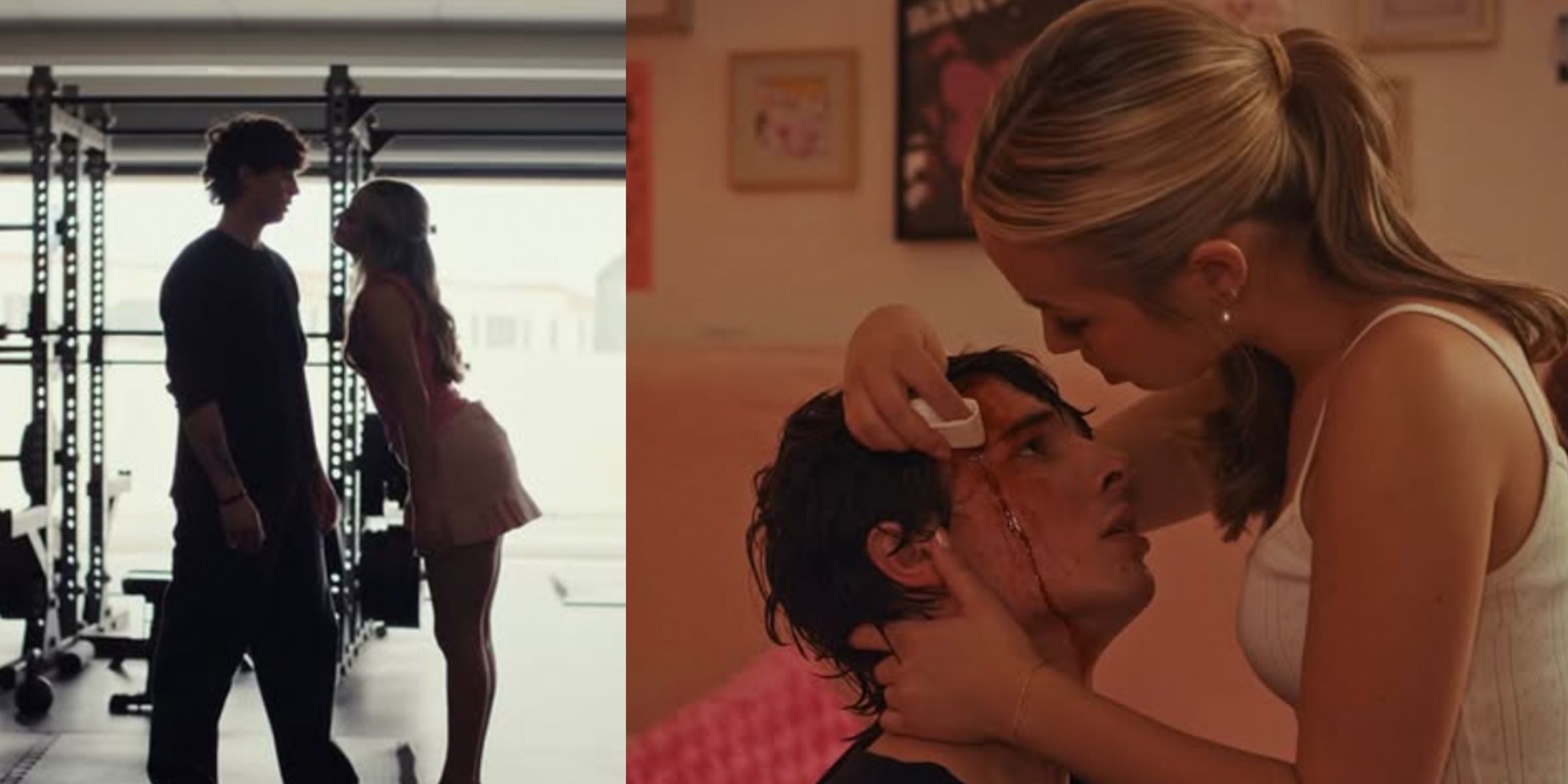
"Fight Dirty" throws underground MMA fights, fake dating chaos, bruises, flirting, and emotional damage into one ring and somehow makes it all work. It feels young in the messiest, most believable way possible.
May 23, 2026
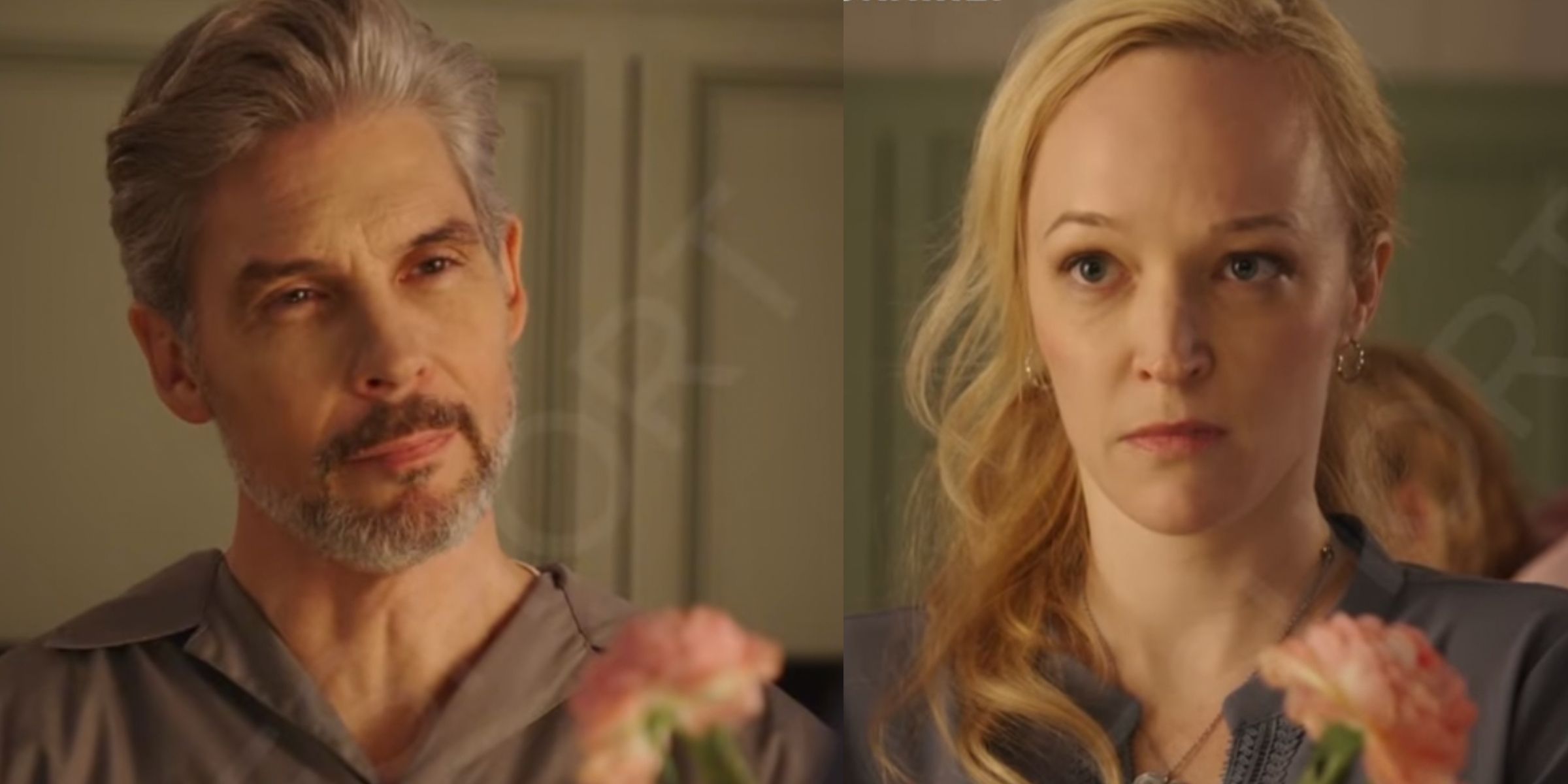
Who would have thought a second-chance romance at fifty would end up being this charming? "Remarried at 50: My Husband Turns Out to be a Billionaire" is pure vertical drama happiness, and before I realized what was happening, I had emotionally adopted an entire fictional family.
May 07, 2026
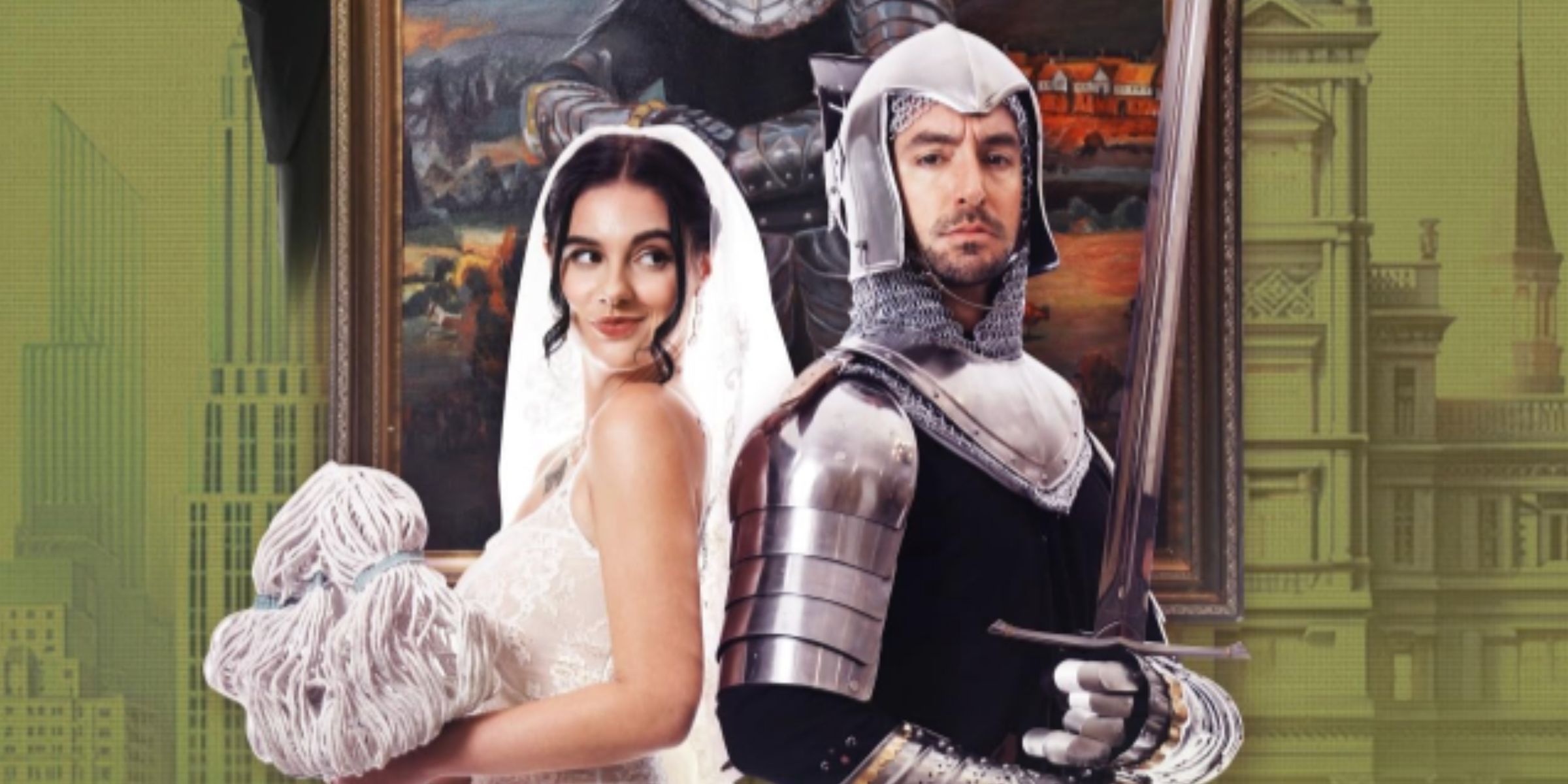
This whole drama feels like a fever dream written by a hopeless romantic who got tired of toxic bad boys and decided the greenest flag imaginable should be trapped inside a magical painting.
May 10, 2026
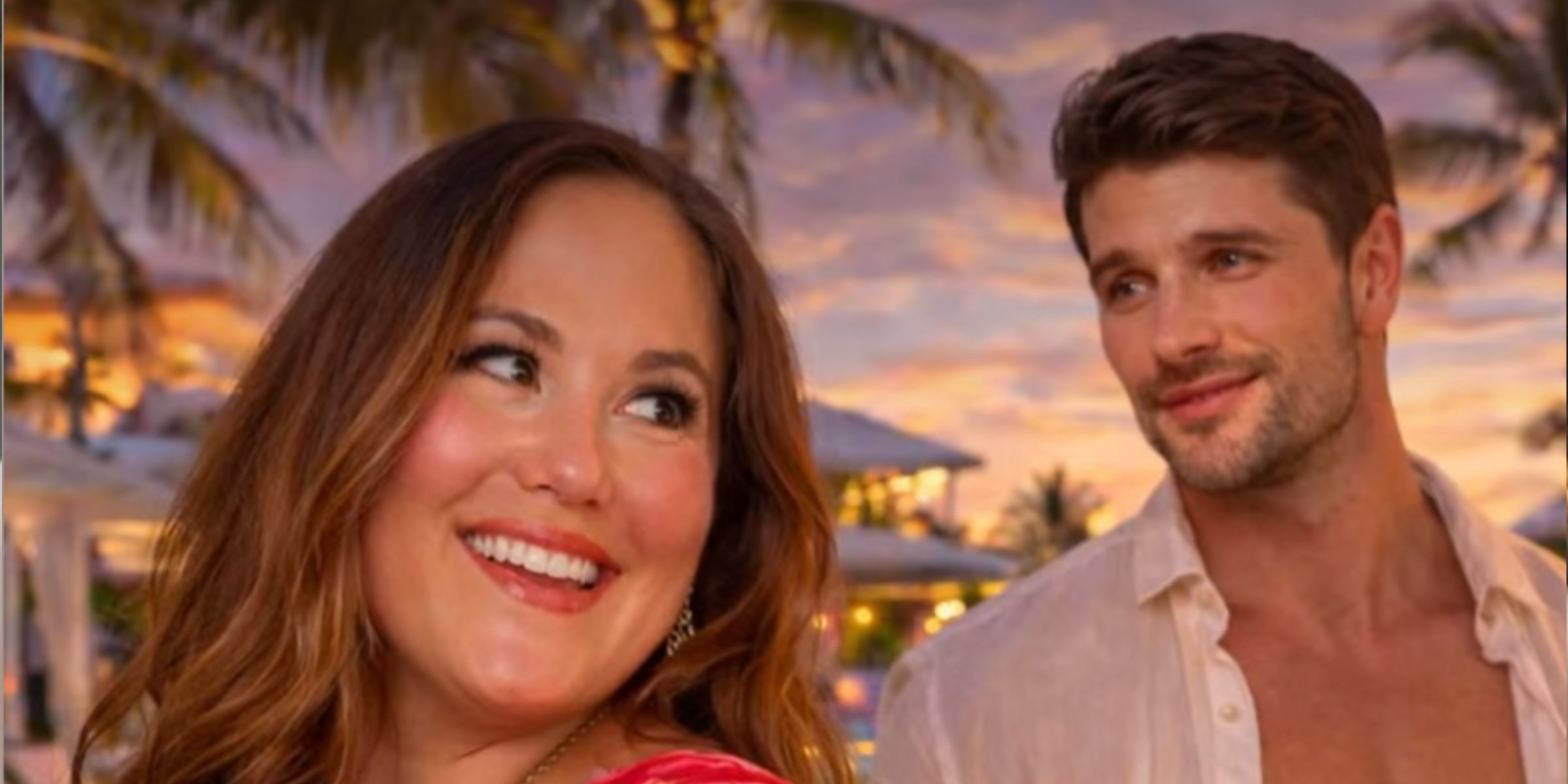
We all have that one quiet fear we don’t really say out loud… that maybe, deep down, we’re not enough exactly as we are. "The Summer I Turned My Sexiest" takes that universal fear, holds it gently in its hands, and shows us exactly why we are wrong.
May 05, 2026
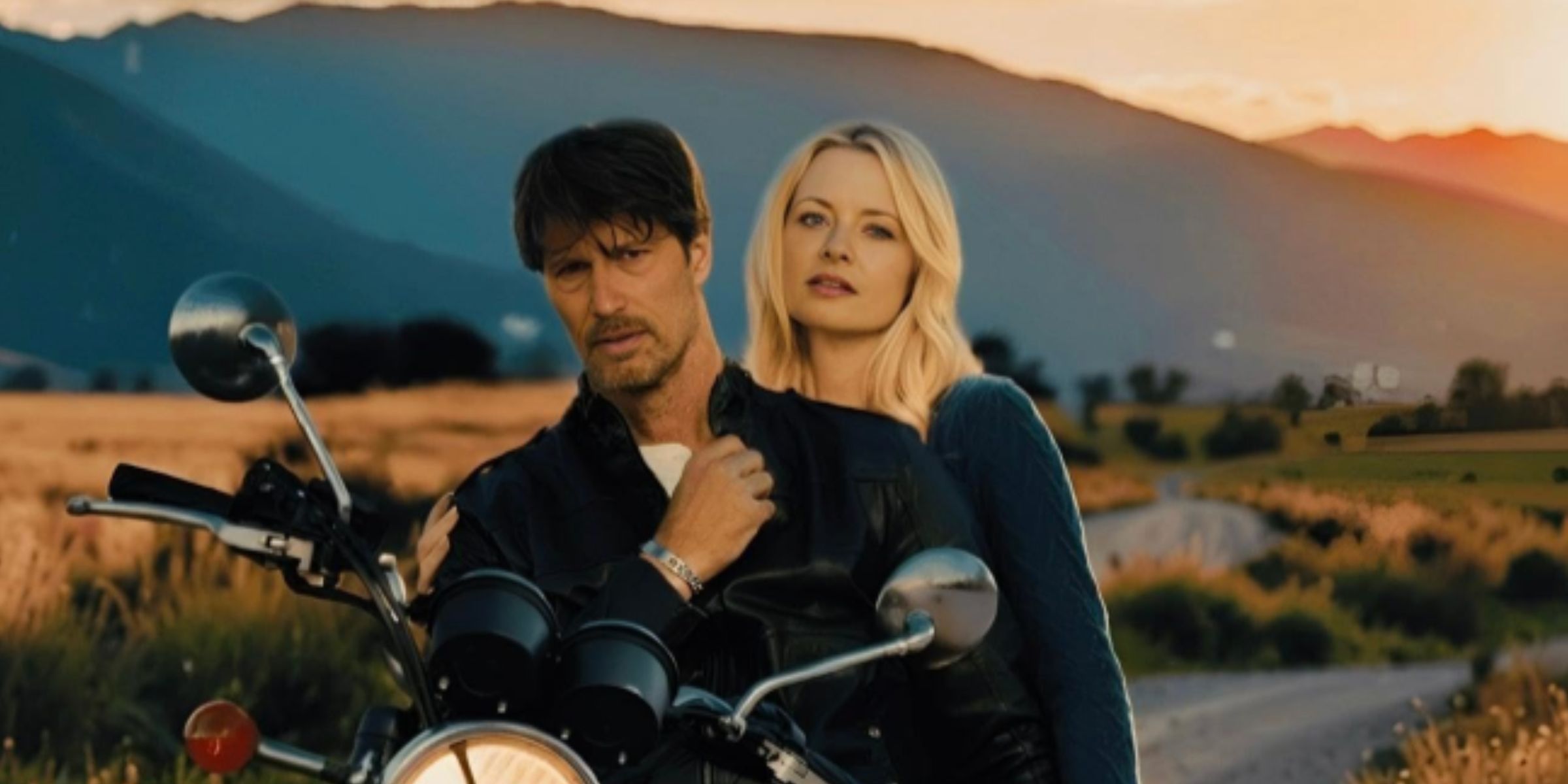
“The Road Between Us” does not rely on violence, cruelty, or shock to hold attention. Instead, it eases its way toward emotional truth softly, almost politely, beginning with something as ordinary as a dropped onion in a grocery store.
Apr 07, 2026
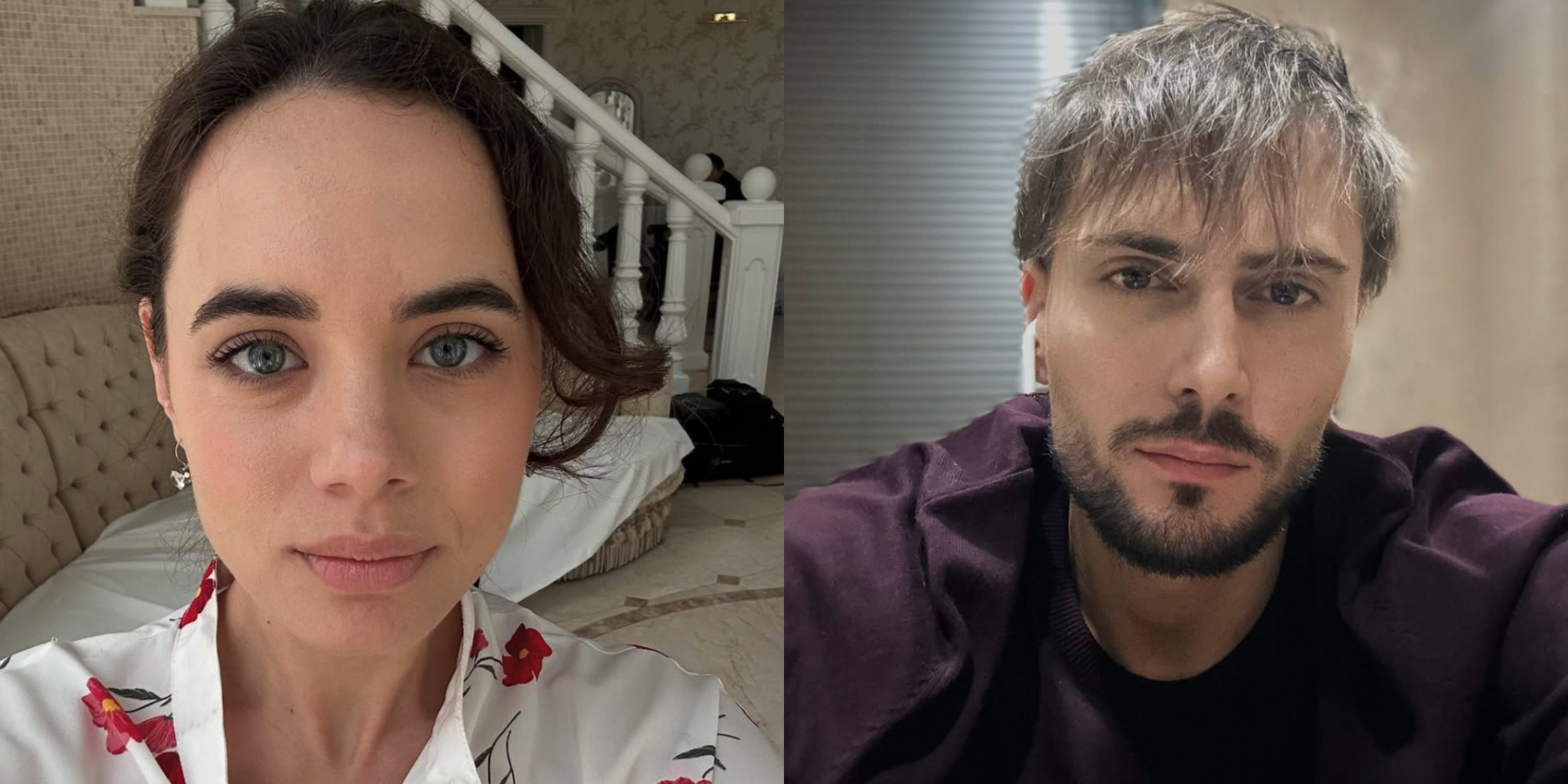
A missed job interview sparks a dangerous chain of events in "I Became My CEO's Darkest Secret," a viral drama where corporate power, obsession, and forbidden desire collide with unpredictable consequences.
Feb 17, 2026
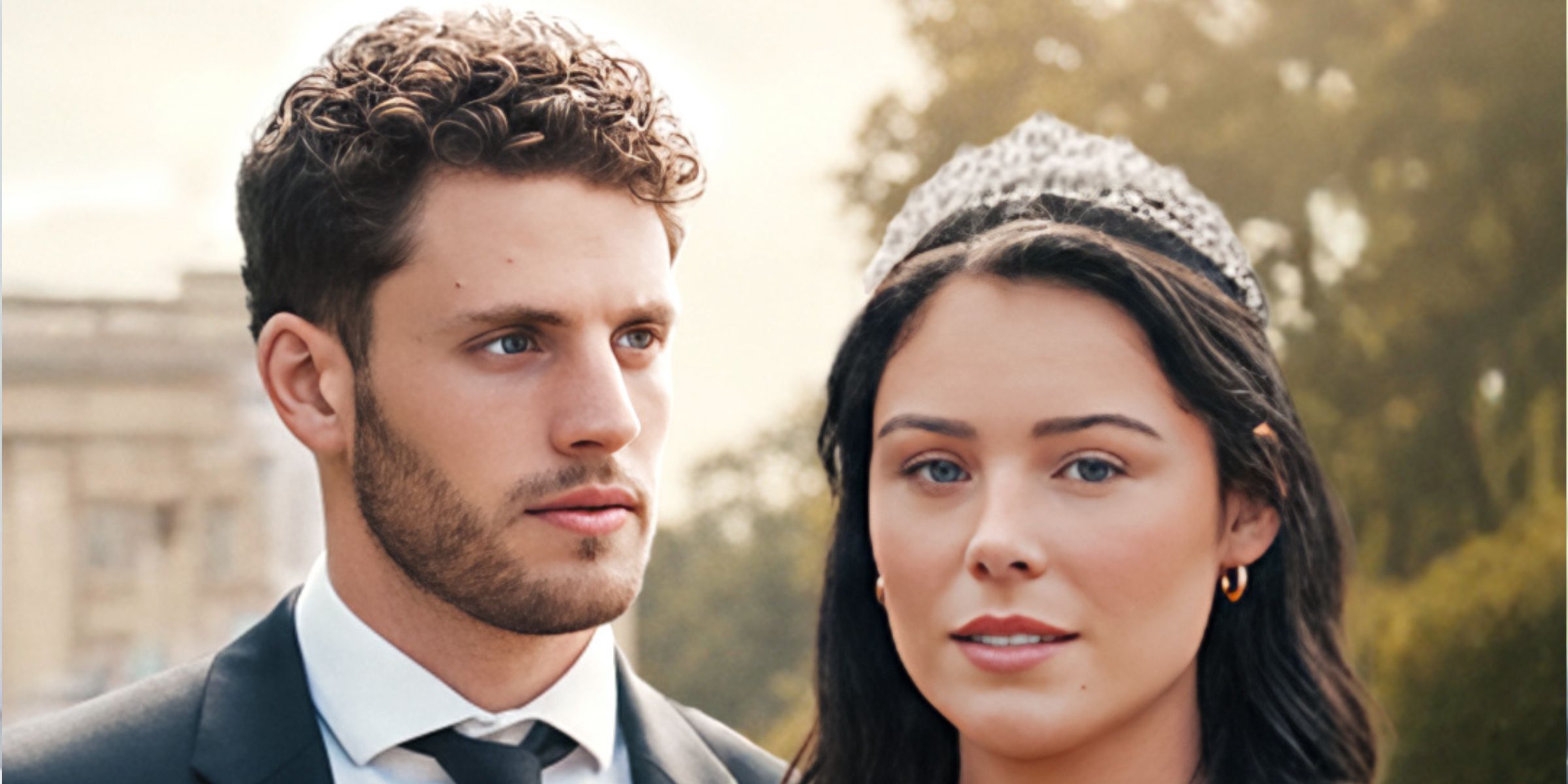
"Guarding Her Body, Claiming Her Heart" begins like a classic royal setup. A princess, a bodyguard, and a palace filled with secrets. But very early on, it becomes clear this story is reaching for something more grounded.
Mar 31, 2026
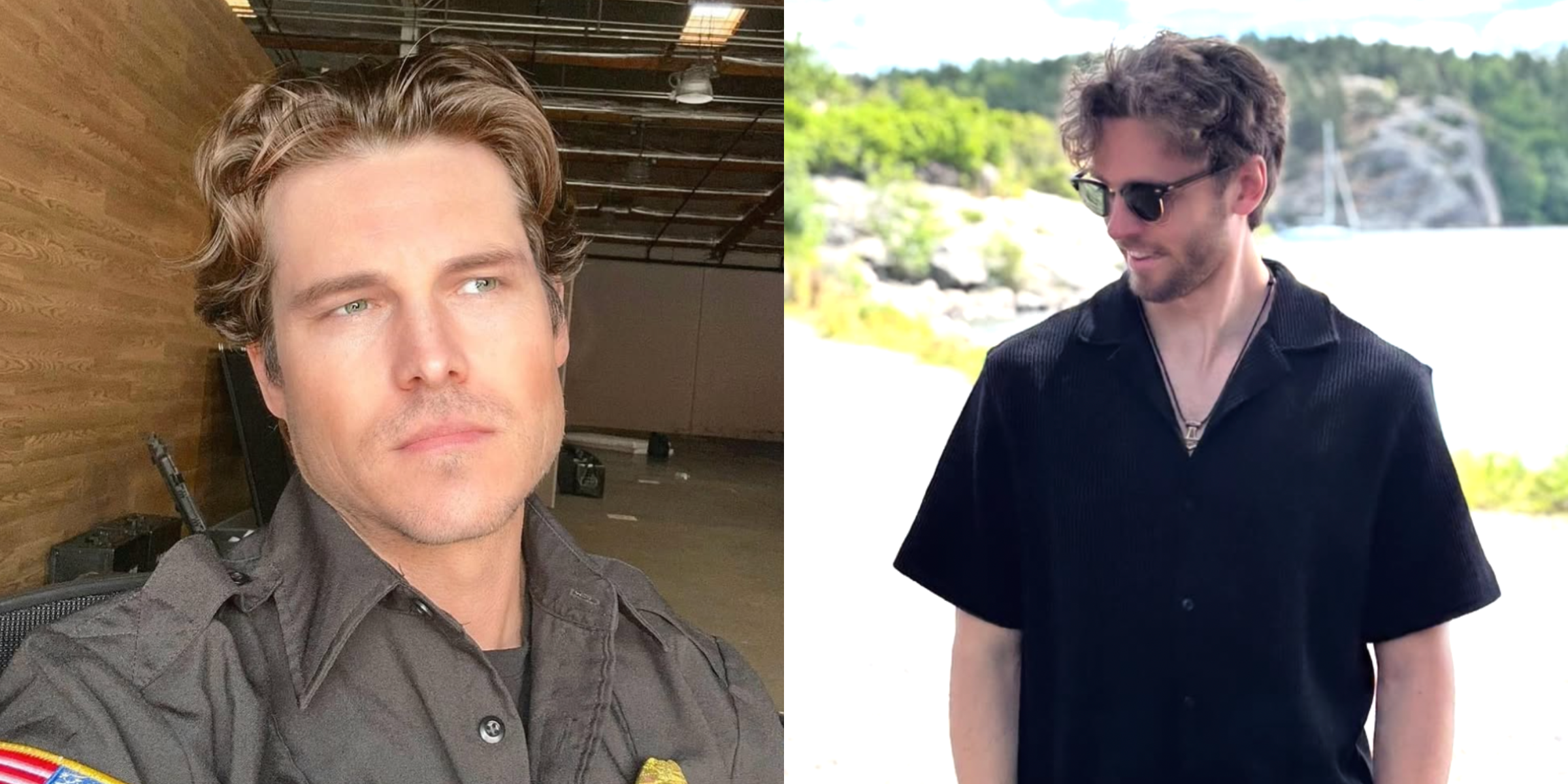
Vertical dramas have built a reputation for bold storytelling and emotionally charged plots. The "Her Desired Alphas" cast plays a major role in making this supernatural romance so addictive, grounding its high-stakes drama in performances that keep viewers coming back.
Mar 28, 2026
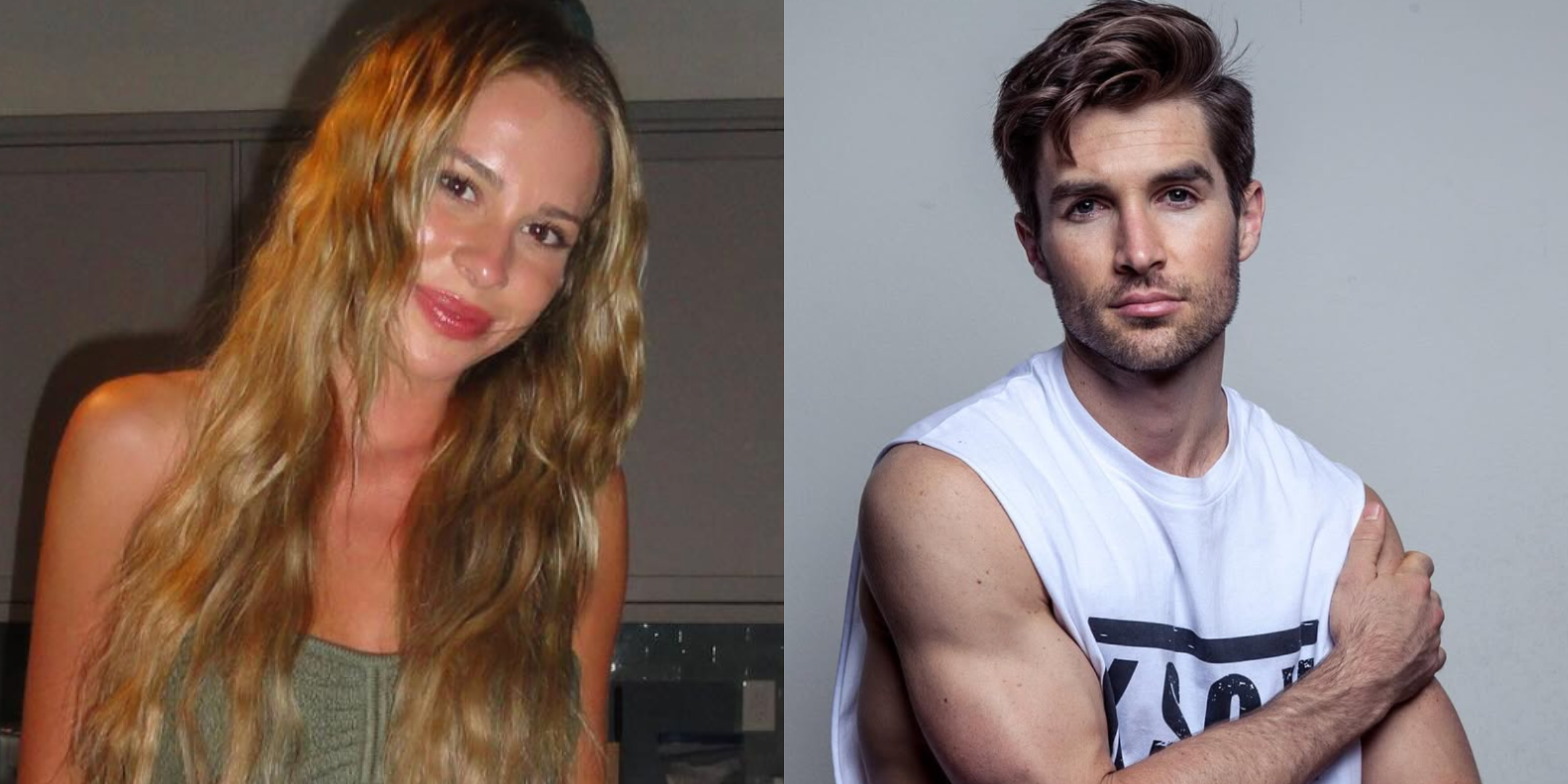
The “Bound by Vendetta: Sleeping with the Enemy” cast brings raw emotion to a vertical drama fueled by betrayal, survival, and hard-earned healing, telling a story where love turns dangerous and revenge is not always the answer.
Feb 24, 2026
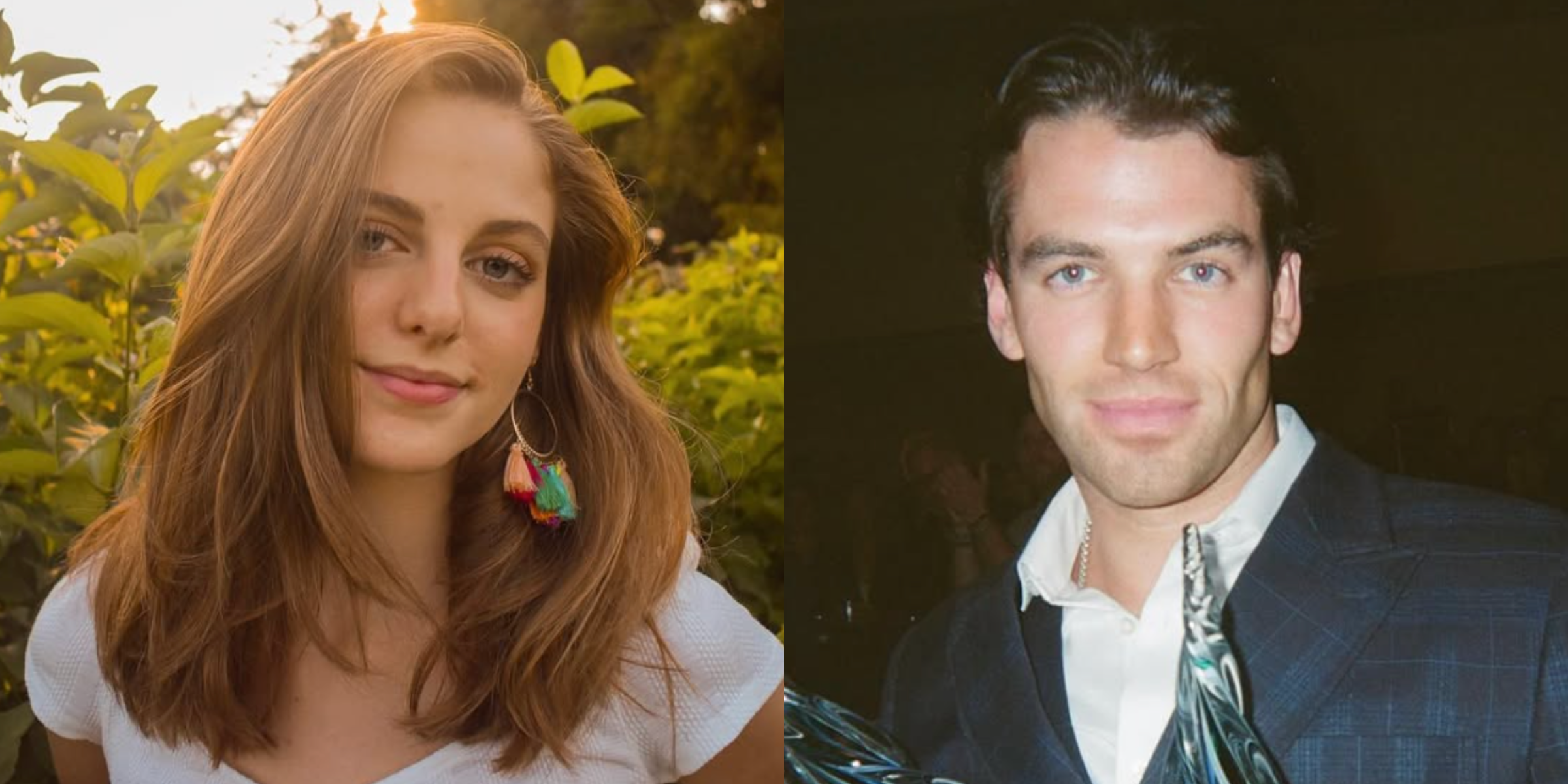
Into the world of romantic dramas? "My Unwanted Billionaire Ex" is packed with heartbreak, compelling twists, and undeniable chemistry between the "My Unwanted Billionaire Ex" cast.
Feb 21, 2026
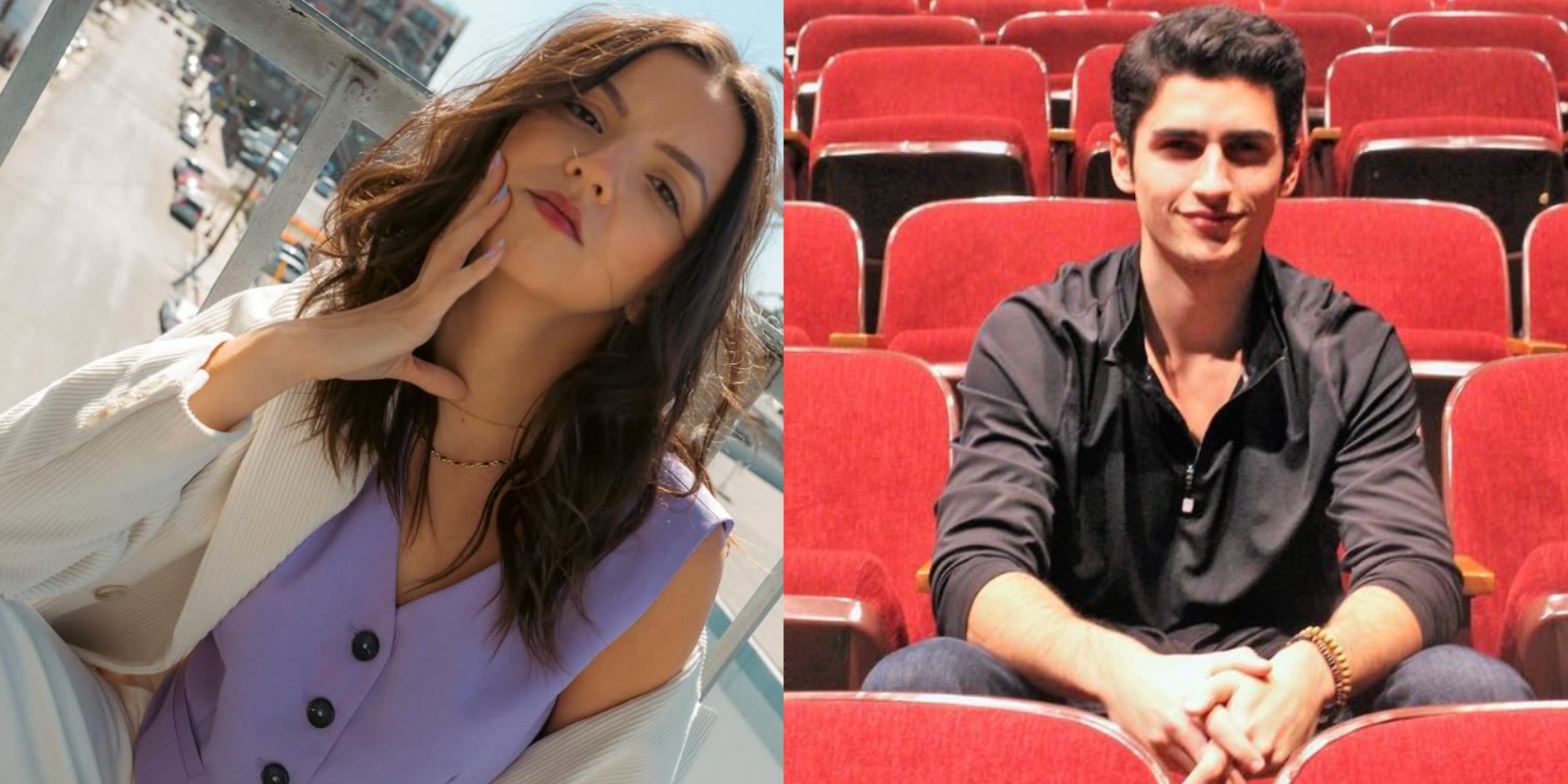
A surprise encounter, a powerful CEO, and a rookie employee determined to protect her career. "The Boss Affair" cast brings this workplace romance to life with performances that fuel ambition, tension, and undeniable chemistry at the center of the story.
Apr 01, 2026
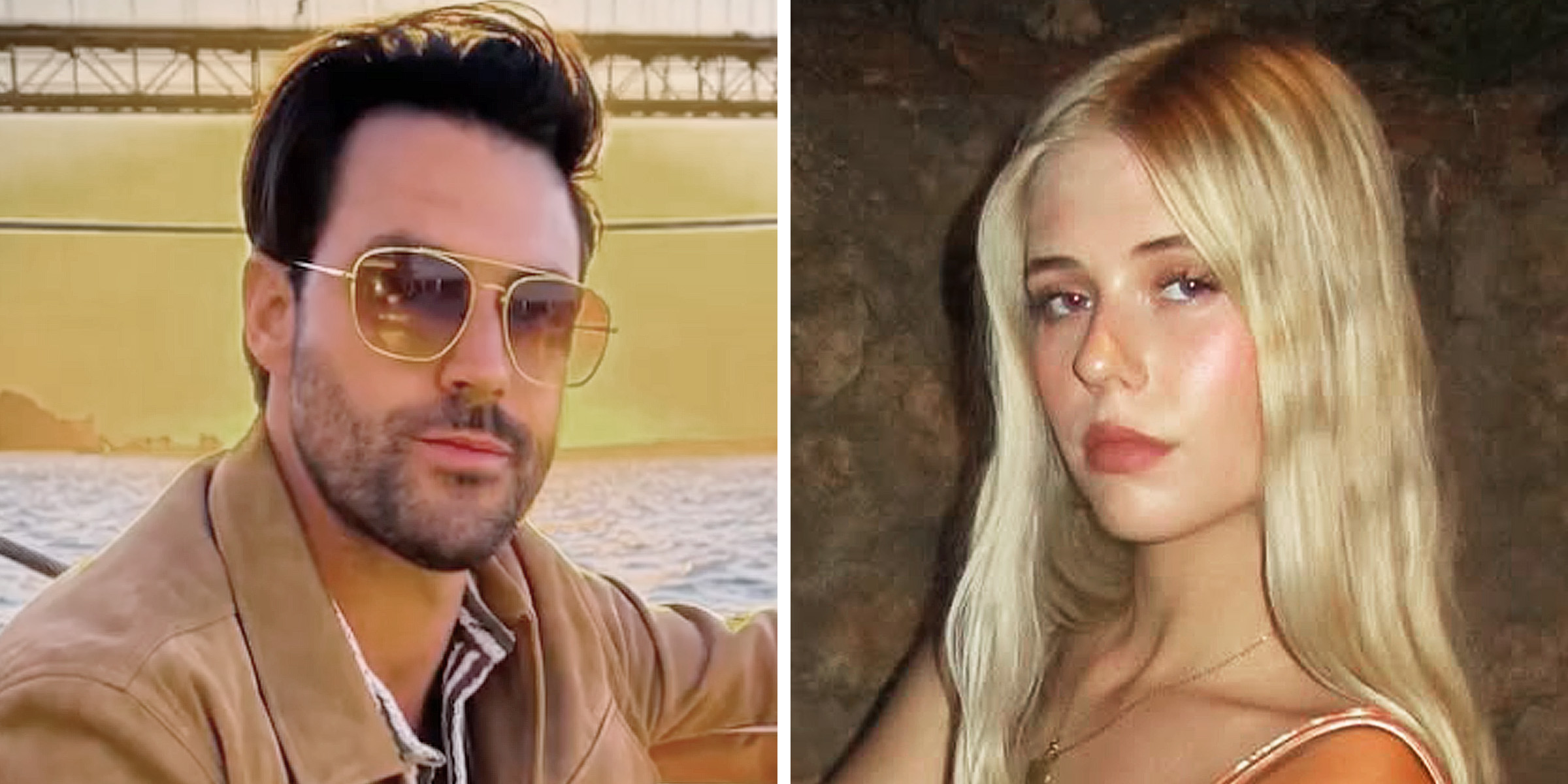
"The Double Life of My Billionaire Husband" captured attention and rewrote the rules for Western vertical dramas. Combining high-stakes romance and two breakout performances from Avery Lynch and Jarred Harper, the series has quickly become a cultural touchstone for mobile-first storytelling.
Mar 22, 2026