'Guarding Her Body, Claiming Her Heart' Review: A Modern Fairytale Rewritten
Mar 31, 2026



A tense wilderness drama slowly unfolds into something far more intimate. What begins as a survival story gradually reveals something deeper. It becomes a portrait of trauma, grief, and the quiet courage required to rebuild a life after everything has been shattered.
From the very first moments, the series pulls viewers into a heavy emotional atmosphere. The quiet surrounding the characters feels thick with unspoken history, the kind that suggests something painful happened long before the audience arrived.
Advertisement
What unfolds in the forest is less about surviving the wilderness and more about facing the emotional weight people carry within themselves.
That willingness to slow down and explore what happens after survival helps Wild Silence stand apart in the crowded vertical drama space.

"Wild Silence" poster | Source: youtube/mydramashorts
Visually, the drama carries an impressive cinematic presence.
Director Mila Pohrebinska shapes the story with a strong sense of atmosphere and visual intention. The natural landscape becomes an active part of the storytelling. Warm golden sunlight cuts through dense forest greens, creating striking contrasts between brightness and shadow. The mountains feel vast, isolating, and quietly intimidating.
The production work from Skyframe Films and Holywater Tech deserves equal recognition. Their craftsmanship elevates the entire viewing experience. Lighting, framing, and the careful pacing of each shot create a world that feels deliberate and immersive rather than rushed.
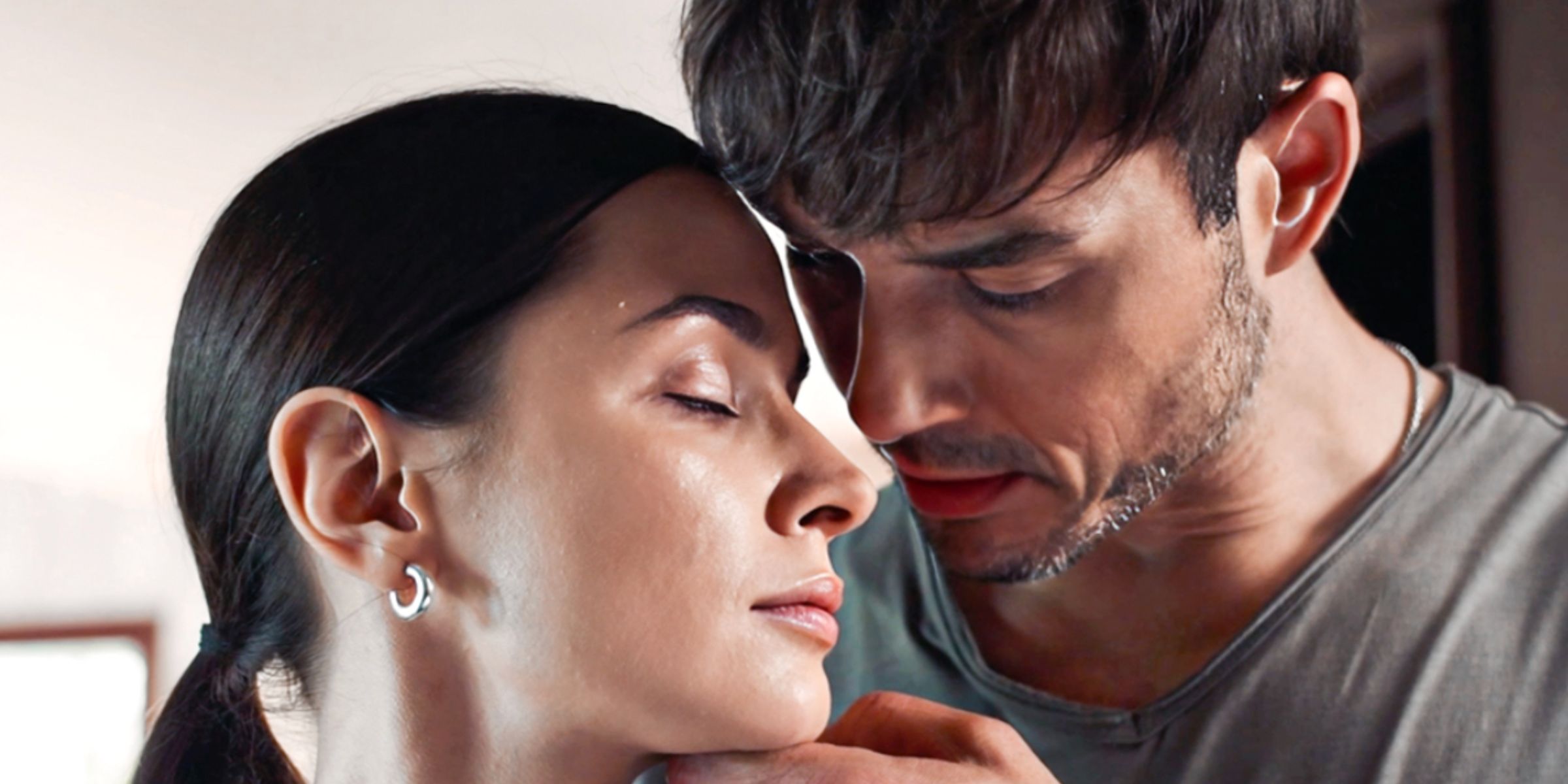
The vertical format enhances the emotional intimacy of the series. Instead of feeling restrictive, the framing draws attention directly to the characters. Faces fill the screen. Expressions linger. Subtle emotional shifts become impossible to miss.
Advertisement
Close-ups capture hesitation, breath, and the tiny movements people make when they’re holding something back. The result feels intentional and immersive, like a world experienced at an intimate distance.
At the center of the narrative is Camilla, a woman fleeing a marriage that felt less like love and more like captivity. When we first meet her, she is already emotionally drained and uncertain whether there is anything left worth fighting for.
Jack enters the story as a widower living in near isolation deep in the mountains. When he pulls Camilla back from the brink and offers refuge in his remote cabin, the wilderness becomes more than a setting. The quiet of that place forces both of them to confront the experiences they spent years trying to bury.
What grows between them develops slowly and cautiously. Two people testing whether it is safe to exist in the same silence without their pasts overwhelming them.
Their connection mirrors the landscape surrounding them: fragile, unpredictable, and constantly shifting between stillness and tension.
The emotional center of the narrative rests on three forces: trauma, grief, and control.
Camilla moves through life in constant survival mode. Years of psychological abuse have trained her instincts to stay alert, as if danger could appear without warning. Even moments of safety feel temporary.
Advertisement
Jack carries a different kind of damage. The death of his wife Elizabeth left him suspended somewhere between living and simply continuing forward. His quiet does not feel distant—it feels tired.
Then there is Owen.
Camilla’s husband arrives like a shadow that refuses to disappear. His presence tightens every scene he enters. Control defines him. The slow, suffocating kind that leaves no room to breathe.
The atmosphere shifts the moment he appears.
Beneath the tension lies a question the narrative keeps circling back to:
Who are you once your wounds stop defining you?
The drama shows remarkable comfort with silence.
Many short-form productions depend on rapid pacing and constant plot turns. This series moves differently. Scenes stretch. Conversations pause. Characters sit with their emotions instead of immediately explaining them.
That patience gives the narrative its emotional impact.
The danger in the mountains is real, yet the moments that stay with you are often the quieter ones. A shared silence in the cabin. A glance that lasts slightly longer than expected. A memory resurfacing when no one is prepared for it.
Sometimes the most powerful moment in a scene is the one where nobody speaks.
The emotional strength of the production rests heavily on the cast.
Jack is not written as a traditional hero. He appears guarded, restrained, and visibly worn down in the way grief often leaves people.
Maksim Chmerkovskiy approaches the role with impressive discipline. Known worldwide for expressive physical performance as a dancer, watching him hold everything inward here is fascinating. The tension sits in his posture, his voice remains measured, and many of his strongest moments unfold through stillness rather than dialogue.
Advertisement
Jack’s strength is quiet.
Sometimes the most powerful thing he does is simply remain present.
Camilla’s journey forms the emotional backbone of the story.
The character exists in an uneasy space between fear and resilience. She hesitates. She questions herself. Every movement carries the awareness that something could go wrong.
Alexandria Watts captures that vulnerability with precision. Her performance thrives in close-up, where even the smallest shift in expression reveals what Camilla is feeling.
The audience watches her panic gradually give way to something steadier.
Her strength grows slowly, shaped by small choices rather than dramatic turning points.
Every survival narrative includes a force representing the life someone is trying to escape.
For Camilla, that force is Owen.
Alexander Kane delivers an unsettling performance that keeps the audience constantly uneasy. Owen’s volatility makes every interaction unpredictable. Sometimes he enters a scene with explosive aggression. Other times he lowers his voice and lets tension simmer beneath the surface.
You never fully know which version of him will appear.
That uncertainty makes Owen far more frightening than a predictable villain.
In a storytelling landscape that often rewards speed and spectacle, this drama chooses patience.
The narrative allows emotion to unfold naturally and trusts the audience to sit with the characters instead of rushing past their pain. What begins as an escape story gradually becomes a reflection on how people rebuild themselves after trauma reshapes their lives.
The forest frames the narrative, yet the real wilderness exists inside the characters.
By the final moments, the story leaves behind a quiet realization.
Survival was only the beginning.
Learning how to live again is the real fight.
Production Info:
Directed by: Mila Pohrebinska
Production: Skyframe Films | Holywater Tech
Platform : My Drama App
Main Cast:
Alexandria Watts
Maksim Chmerkovskiy as Jack
Alexander Kane as Owen
Advertisement
Supporting Cast:
Alyona Real as Elizabeth
Bobby Laenen - Forest Thug
Justin Hughes - Forest Thug
About the Author:
Liz is the voice behind PortraitStoryDiaries, writing reflective reviews that explore the emotional layers of vertical dramas. Her work highlights the craft, performances, and quiet storytelling moments shaping the evolving vertical drama landscape.
The mystery in "My Duplicated Husband" isn’t just about what happened—it’s about who can still be trusted after everything changes. As the story unfolds, the cast brings each twist to life in ways that keep the tension quietly building.
Apr 06, 2026
This captivating vertical drama character faces deceit, power plays, and impossible choices, proving resilience in a world where loyalty and love collide.
Mar 24, 2026
"Fated at First Sight" is driven as much by its performances as its supernatural premise. The cast brings weight and credibility to a story built on secrets, survival, and uneasy alliances.
Feb 20, 2026

If you have been searching for everything you need to know about the "Fated to My Forbidden Alpha" Cast, this guide breaks down every major actor and character from the hit vertical drama and explains why the series has captured so much attention among fans of supernatural romance.
Feb 05, 2026
Behind the emotional twists in this family drama is a cast of actors who bring the story’s characters to life, from a long-lost daughter who becomes a powerful CEO to the family she eventually reconnects with.
Mar 07, 2026
A secret heiress trapped in a loveless marriage files for divorce and turns the tables in "Never Divorce a Secret Billionaire Heiress." The "Never Divorce a Secret Billionaire Heiress" cast fuels this high-stakes romance with twists of hidden wealth, and a love triangle that could change everything.
Mar 08, 2026

The “We Will Love Again” cast brings depth to a second-chance romance about misunderstanding, ambition, and unresolved love, with performances that turn a familiar breakup story into a character-driven vertical drama.
Feb 25, 2026
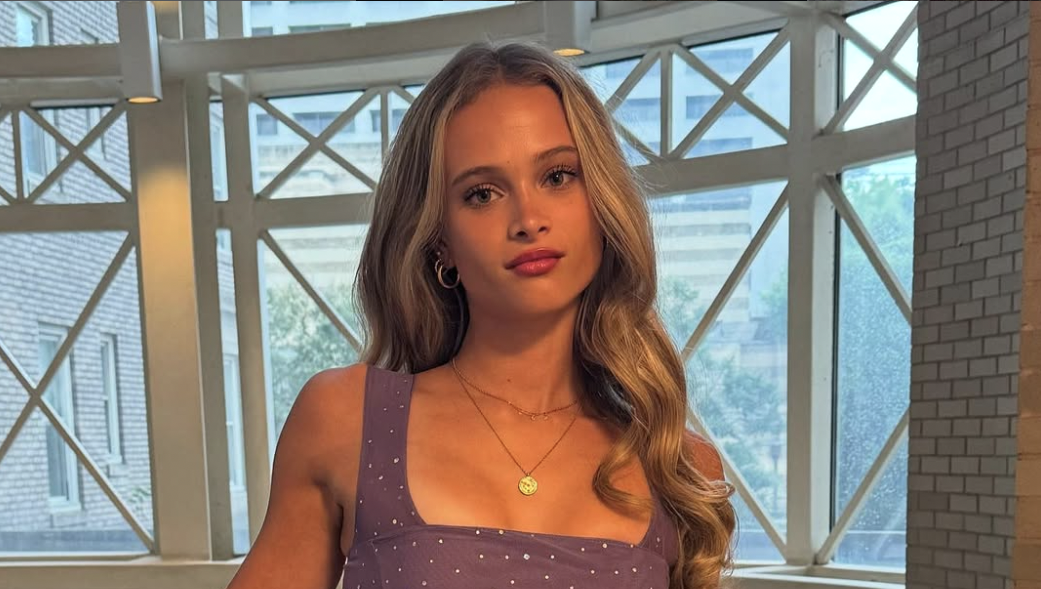
Anna Stadler brings a magnetic ease to vertical dramas, the kind of presence that makes you stop scrolling and stay with a story longer than you planned.
Feb 11, 2026
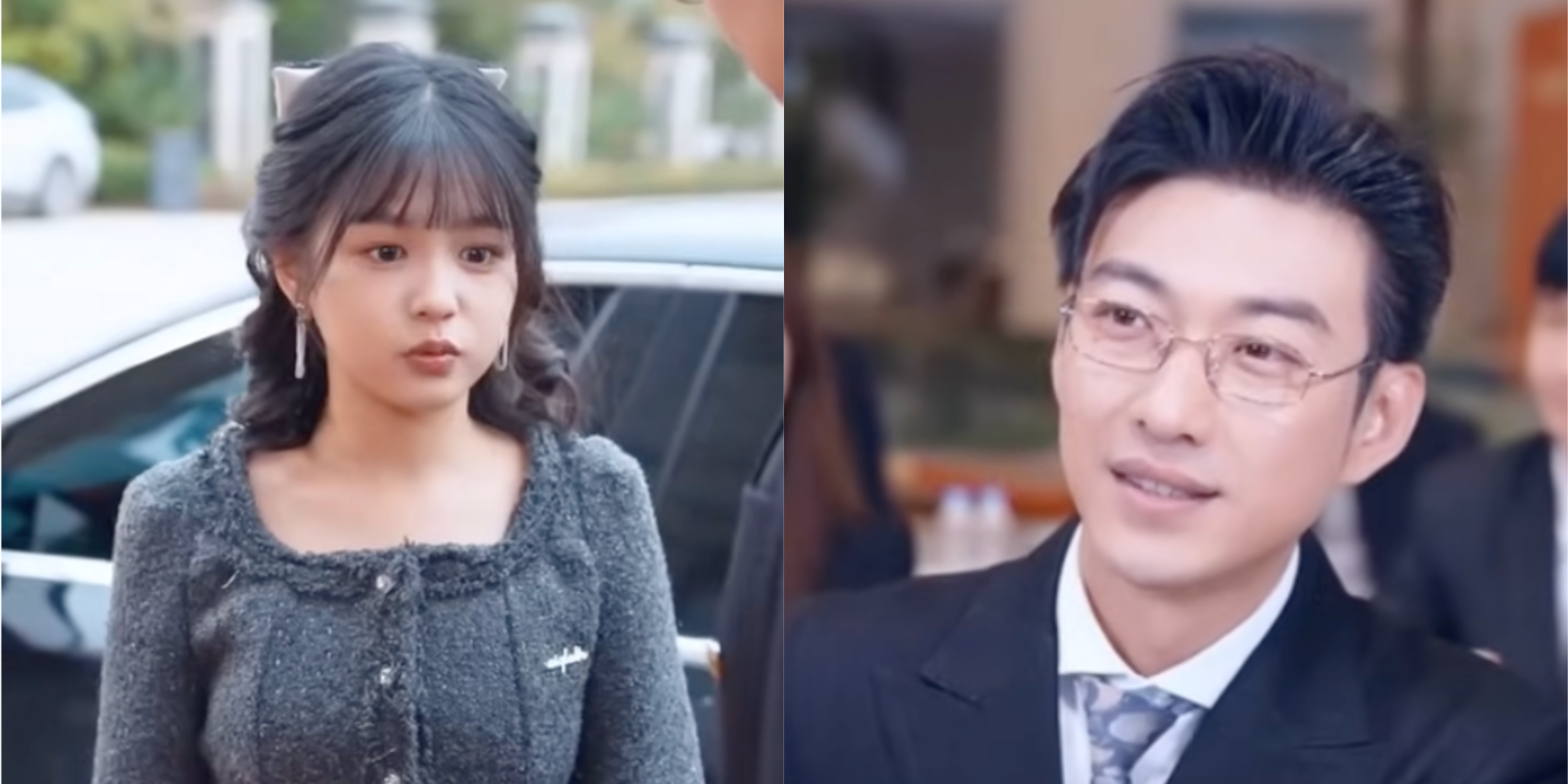
The "The World Treats Me Kindly" Cast has captured worldwide attention as viewers follow the emotional journey of Ruby Earl and Brian Sage, two characters whose story of survival, protection, and unexpected love continues to resonate across global audiences.
Feb 03, 2026
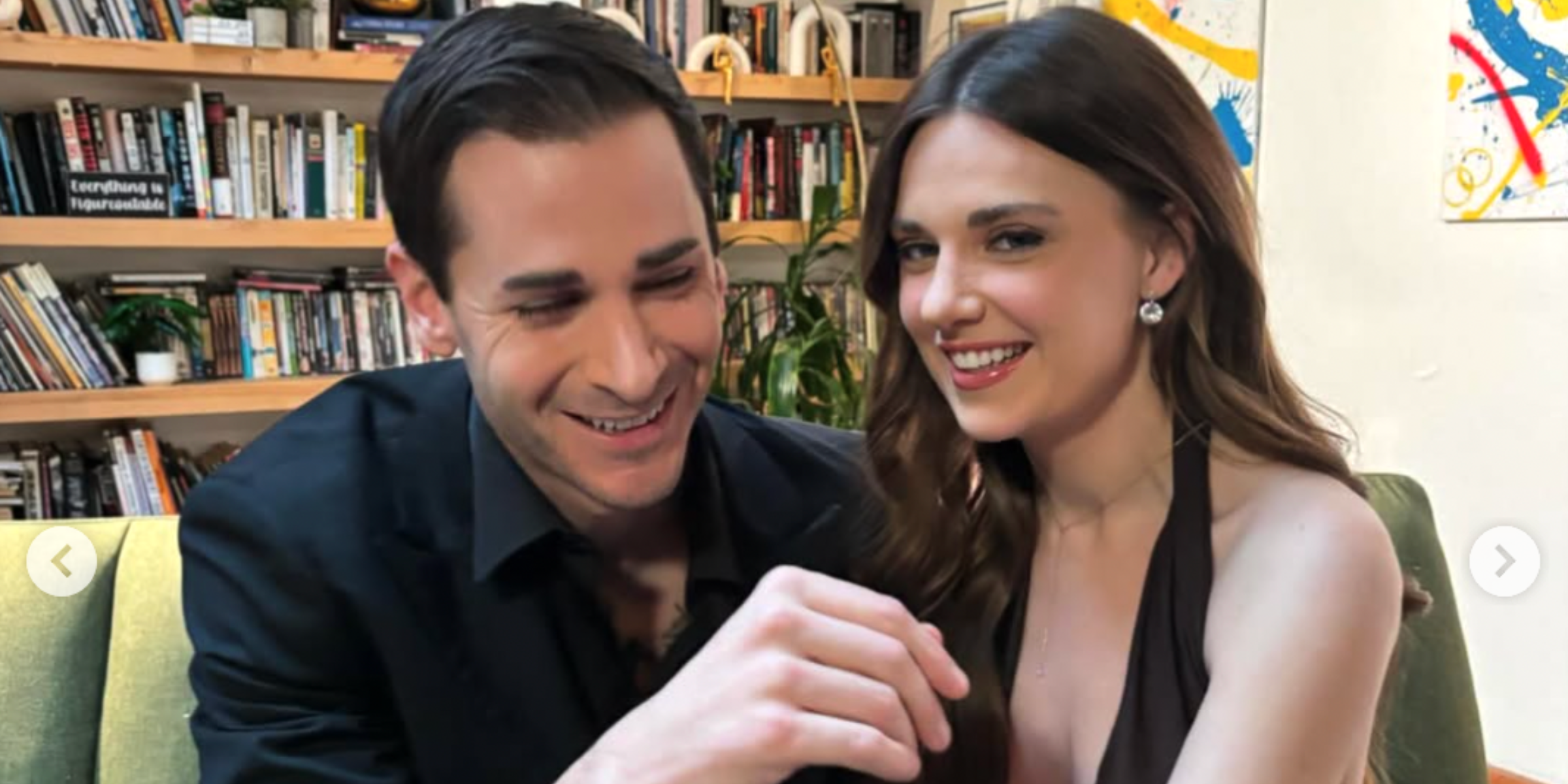
The "Dr Wifey, Please Touch Me" cast brings emotional tension and layered performances to a story built on mistaken identity, unresolved love, and psychological healing. At the center are two actors whose chemistry anchors a drama that balances romance with personal trauma.
Feb 22, 2026
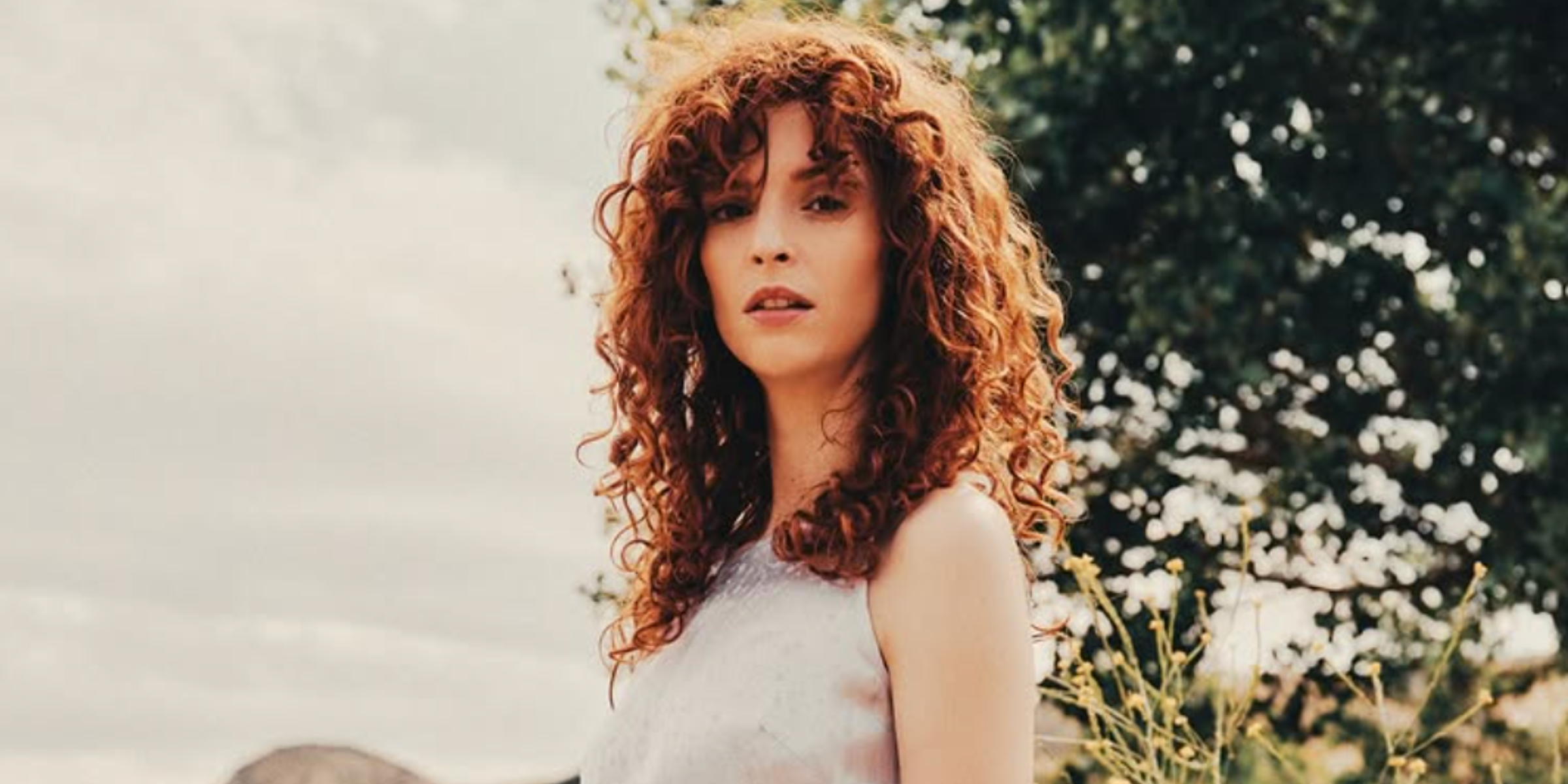
Vertical drama fans love a breakout star and Juliette Cecile is delivering everything the genre craves. From her global background to her rapidly expanding list of roles, she's capturing attention for all the right reasons.
Feb 09, 2026
The “Bound by Vendetta: Sleeping with the Enemy” cast brings raw emotion to a vertical drama fueled by betrayal, survival, and hard-earned healing, telling a story where love turns dangerous and revenge is not always the answer.
Feb 24, 2026
"The Double Life of My Billionaire Husband" captured attention and rewrote the rules for Western vertical dramas. Combining high-stakes romance and two breakout performances from Avery Lynch and Jarred Harper, the series has quickly become a cultural touchstone for mobile-first storytelling.
Mar 22, 2026
Cameron Somers steps into the spotlight as Hayden Morgan in the hit vertical drama "The Reckoning Takes Flight." Explore how the actor brings emotional depth to the compelling role and his creative journey from stage to screen.
Mar 08, 2026