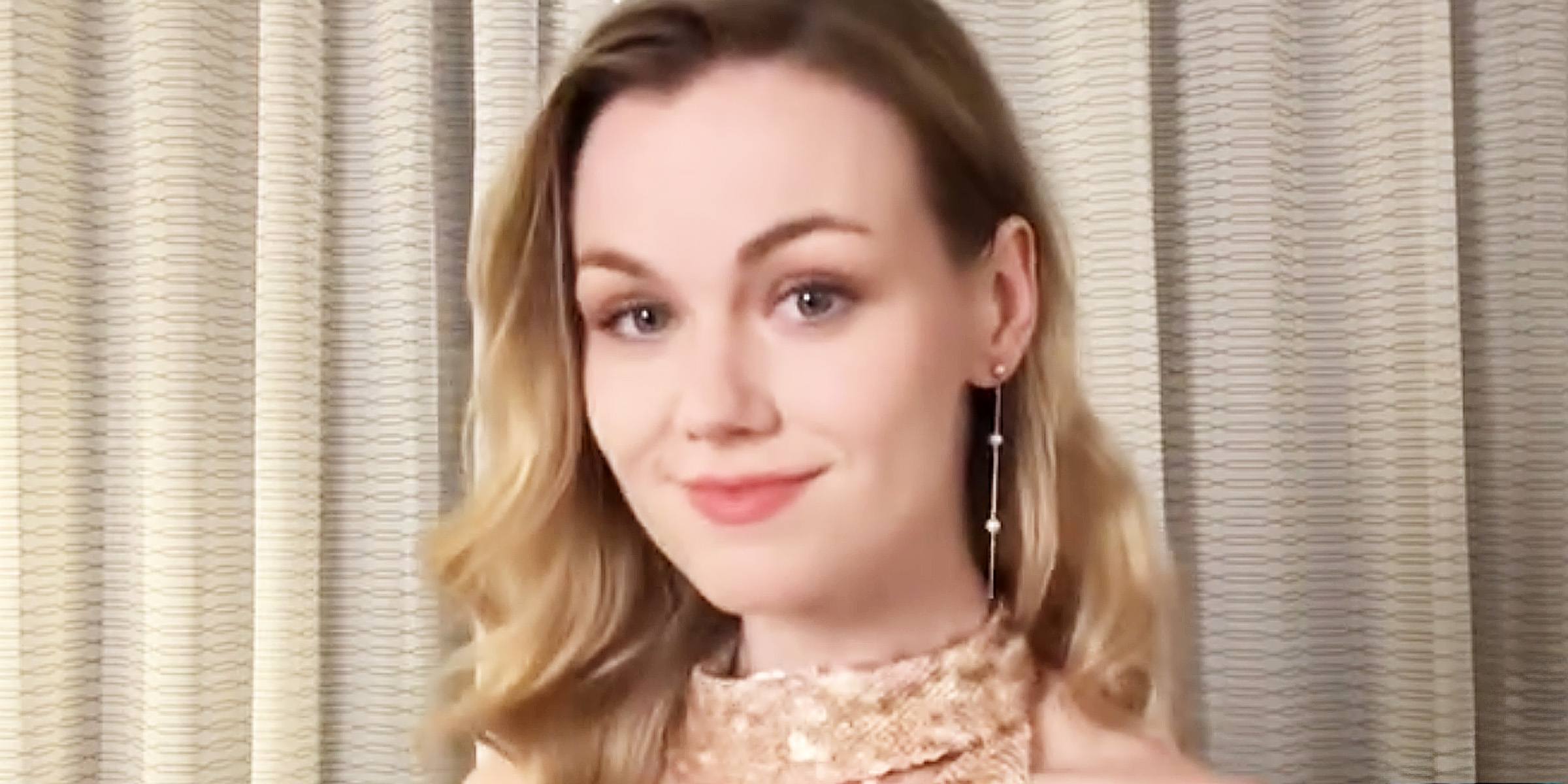
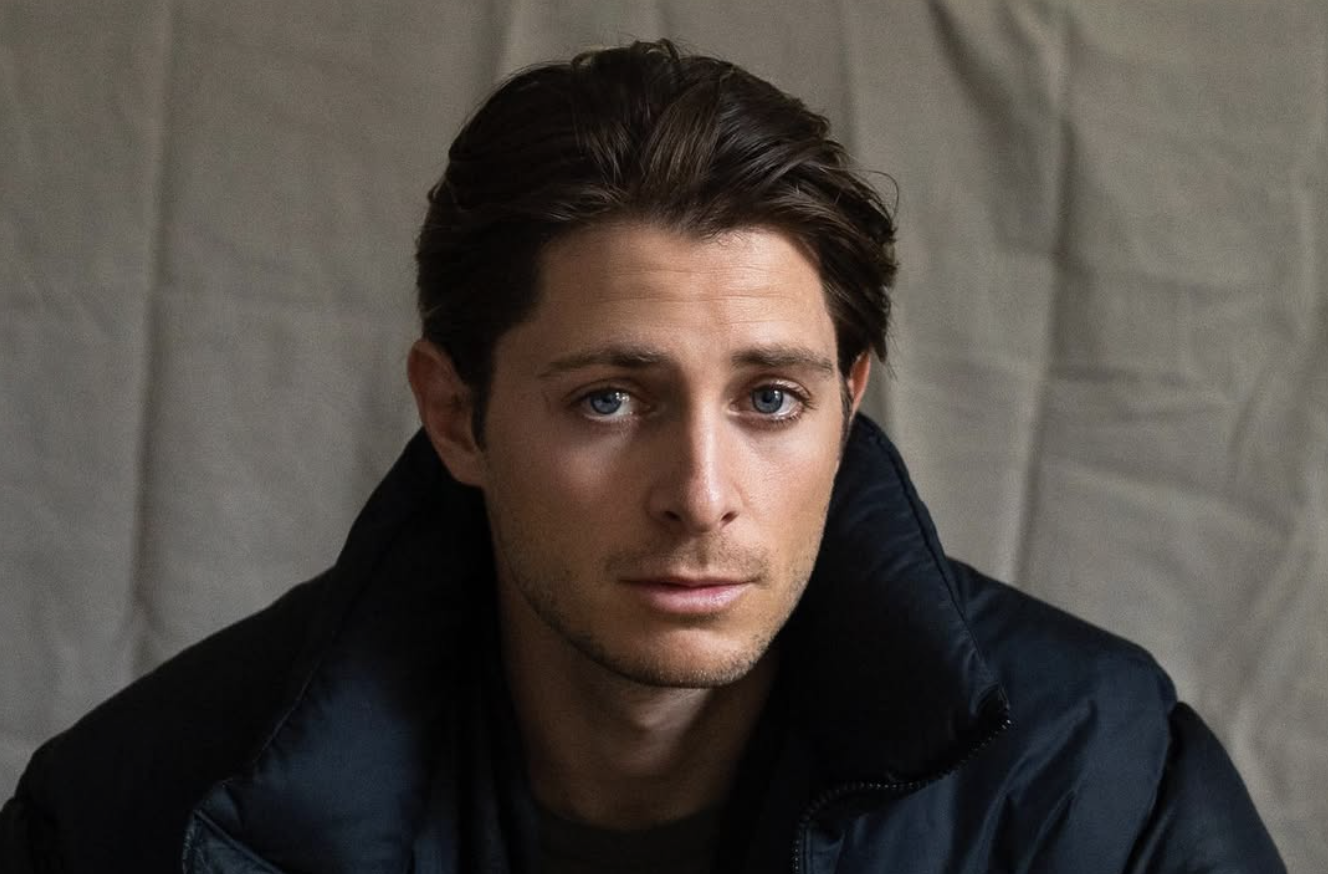
Hector West of 'The Elite Heir's Ultimate Comeback' Was Played by Joshua Mehmet – All About the Actor
Mar 15, 2026



Vertical dramas are quickly becoming one of the biggest trends in mobile entertainment, drawing viewers in with short, emotionally intense episodes made for phones. From billionaire romances to dramatic betrayals, the format is changing how audiences binge-watch stories, one cliffhanger at a time.
If you’ve spent time on TikTok, Instagram, or Facebook recently, there’s a good chance you’ve come across a dramatic clip featuring a billionaire CEO, a secret pregnancy, or a shocking betrayal — usually ending right before the biggest reveal. Chances are, you were watching a vertical drama.
Advertisement

Person viewing her mobile phone while eating popcorn | Source: Shutterstock
The format has exploded in popularity over the past few years, especially through apps like ReelShort and DramaBox. Unlike traditional TV shows, vertical dramas are designed specifically for phones, with short episodes filmed in portrait mode and packed with emotional cliffhangers.
What started as a niche trend in China has quickly become a global phenomenon, with short-drama apps generating hundreds of millions of dollars in revenue and attracting audiences around the world.
So what exactly is a vertical drama, and why are so many people suddenly hooked on them?

A mobile phone featuring a vertical drama app page | Source: Shutterstock
A vertical drama is a short-form series designed to be watched on a smartphone held upright. Instead of the traditional widescreen format used in television and film, these shows are filmed vertically in a 9:16 aspect ratio — the same shape as a TikTok or Instagram Reel.
Episodes are usually very short, often running between 60 and 90 seconds. But while each episode may feel quick, an entire series can stretch across dozens or even hundreds of episodes.
Advertisement
The storytelling style is intentionally fast-paced. Most episodes end on a cliffhanger designed to keep viewers tapping “next episode.” A confrontation, a secret reveal, or a dramatic confession often arrives within seconds. There’s very little downtime.
Many of the most popular stories revolve around romance and melodrama. Common tropes include billionaire CEOs, enemies-to-lovers relationships, revenge plots, hidden identities, and secret heirs. The stories are often exaggerated and larger-than-life, but that emotional intensity is part of the appeal.

The posters for "In Other Words, I Love You," "Breaking the Ice," and "The Double Life of My Billionaire Husband" | Sources: IMDb | ReelShort
The format originated in China, where short-form serialized shows known as duanju began gaining popularity on mobile platforms around 2018. During the pandemic, the genre expanded rapidly as audiences spent more time on their phones looking for quick, emotionally engaging entertainment.
From there, vertical dramas spread internationally through apps like ReelShort, DramaBox, and ShortMax. According to Sensor Tower, global downloads of short-drama apps reached hundreds of millions by early 2025, while in-app revenue surged dramatically year over year.

A mobile phone showing the downloadable ReelShort app | Source: Shutterstock
Advertisement
The United States has become one of the genre’s biggest markets, helping turn vertical dramas from an internet curiosity into a legitimate entertainment industry.
Part of the appeal is simple: vertical dramas are designed to be incredibly easy to watch.
Episodes are short enough to fit into small moments throughout the day — during a commute, while waiting in line, or before going to sleep. Instead of asking viewers to commit to a full hour-long episode, the format delivers quick emotional payoffs almost immediately.
But convenience is only part of the story.
For many viewers, vertical dramas offer a form of escapism. The stories tend to lean into fantasy, romance, and emotional extremes without apologizing for it. The arguments are intense, the betrayals are dramatic, and the romantic gestures are often enormous.

A woman smiling while viewing her phone | Source: Shutterstock
Yet underneath all that heightened drama, the stories usually focus on familiar emotional themes: heartbreak, revenge, love, jealousy, and second chances.
That emotional directness is one reason the genre resonates with so many people.
In an interview with The Guardian, Jen Cooper, founder of the website Vertical Drama Love said many fans discovered vertical dramas during difficult periods in their lives because the stories felt comforting and emotionally absorbing. She said the appeal often comes from the escapism and quick emotional payoff the format provides.
Advertisement

A woman watching on her phone while lying in bed | Source: Shutterstock
The format also fills a gap that many viewers feel traditional entertainment has neglected. Romantic melodramas — especially those aimed primarily at women — have become less common in mainstream film and television. Vertical dramas embrace those stories fully instead of treating them as guilty pleasures.
The biggest difference is pacing.
Traditional television often spends time slowly developing characters and building tension across long episodes or entire seasons. Vertical dramas move much faster. Many begin in the middle of a conflict, with major twists arriving almost immediately.
They’re also built around mobile viewing habits. Since viewers are watching on phones, scenes tend to focus tightly on faces, emotional reactions, and dialogue. The vertical frame creates a more intimate feeling, almost as if the story is unfolding directly in front of the viewer.
Social media has also played a major role in the genre’s growth. Dramatic clips and ads regularly go viral on TikTok, Instagram, and Facebook, drawing viewers into the apps where full series are hosted.

A mobile phone screen featuring social media icons | Source: Shutterstock
Advertisement
The genre is still evolving, but all signs suggest vertical dramas are becoming a major part of modern entertainment rather than a passing trend.
Studios, streaming companies, and investors are paying close attention to the format’s rapid growth, while new apps continue launching around the world.
More importantly, the audience clearly exists. For viewers looking for emotional storytelling that feels fast, accessible, and easy to fit into daily life, vertical dramas offer something traditional television often doesn’t.
They may be short, but for millions of viewers, that’s exactly the point.

Former athlete turned actor Richard Trotter is quickly becoming one of the breakout names in vertical micro dramas, a booming new form of entertainment reshaping how millions watch stories on their phones.
Apr 12, 2026
As vertical drama apps dominate mobile screens and reshape digital storytelling, a new wave of actors is rising, among them, Sam Myerson, whose pivot to short-form series is turning heads across the industry.
Apr 22, 2026
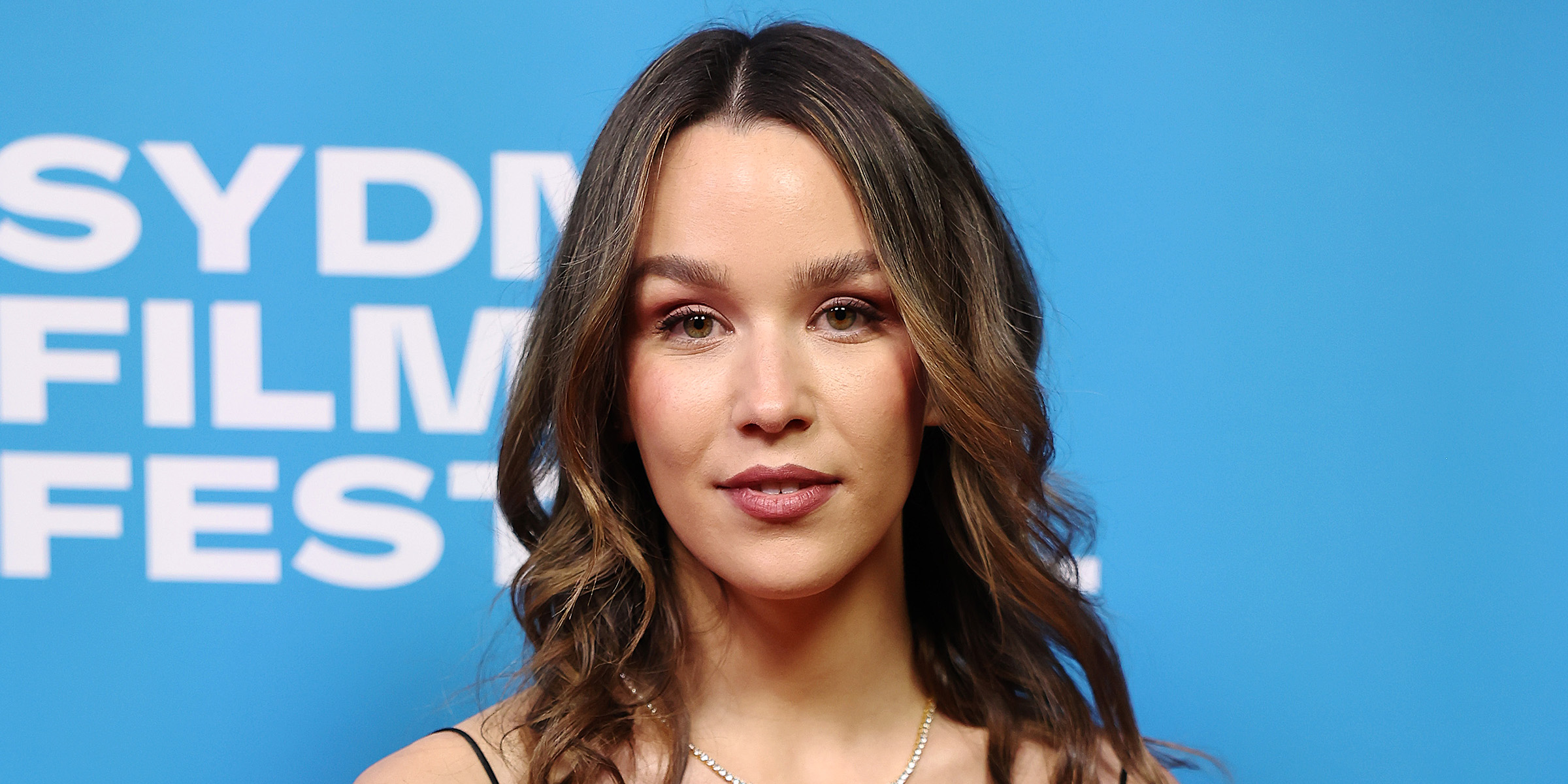
As vertical dramas reshape the way audiences watch stories on their phones, a new wave of actors is redefining on-screen success. Among them is Natalie Parpaiola, whose recent performances have captured attention across this rapidly expanding digital genre.
Jan 25, 2026
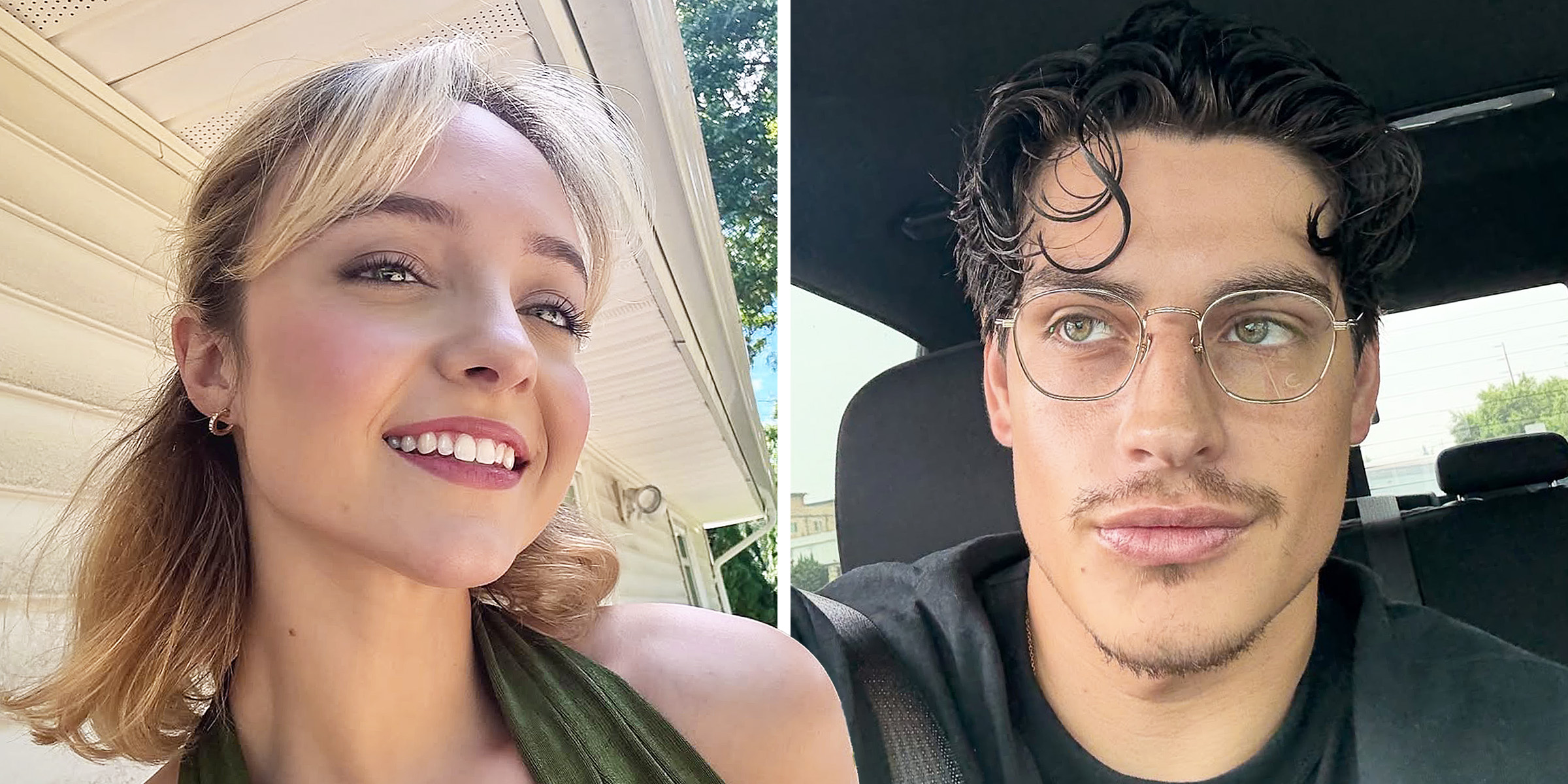
Scroll long enough on social media and you'll find them — bite-sized stories that feel like soap operas on fast-forward. What started as a niche format is now rewriting the rules of entertainment.
Mar 09, 2026

"Don't Challenge the Lady Billionaire" follows a determined CEO who refuses to be played for love, drawing viewers into a world of secrets, strategic marriages, and calculated revenge.
Mar 31, 2026
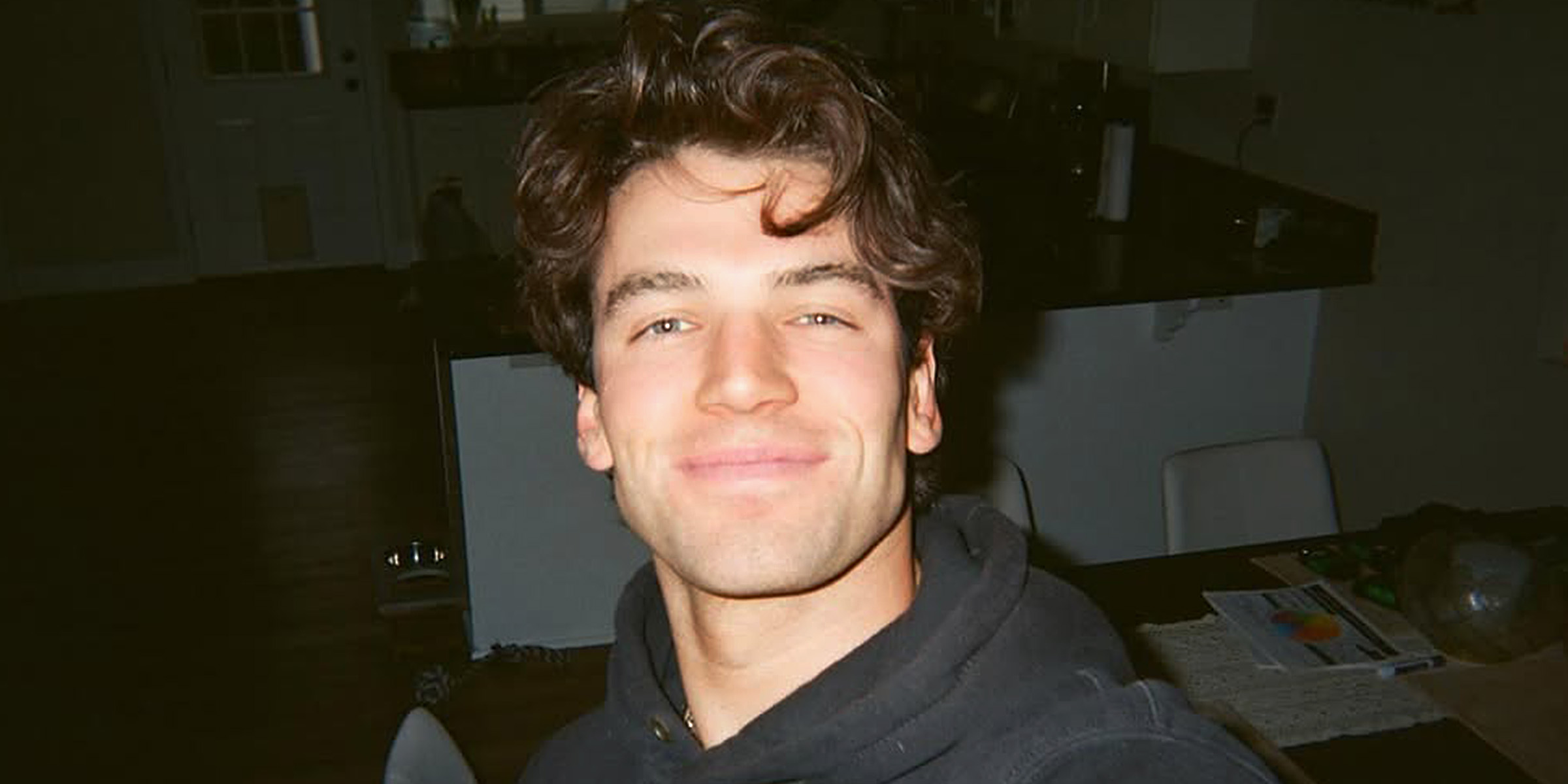
People are craving someone new, an unexpected heartthrob from nowhere to spice things up. That's Noah Fearnley! He has been building his career steadily, appearing in micro-dramas that are redefining the way to tell stories these days. Let's discover more about him!
Feb 28, 2026

Kelsey Maskell didn't set out to become a face of vertical drama, but her early leap into the rising format has made her one of its most recognized talents, blending grounded performances with the high-energy storytelling that keeps millions watching.
Jan 21, 2026

Audiences scrolling through mobile-first entertainment have likely seen Alexa Reddy long before learning her name. As vertical dramas surge in popularity, she has quickly become one of the genre's most recognizable talents.
Feb 03, 2026
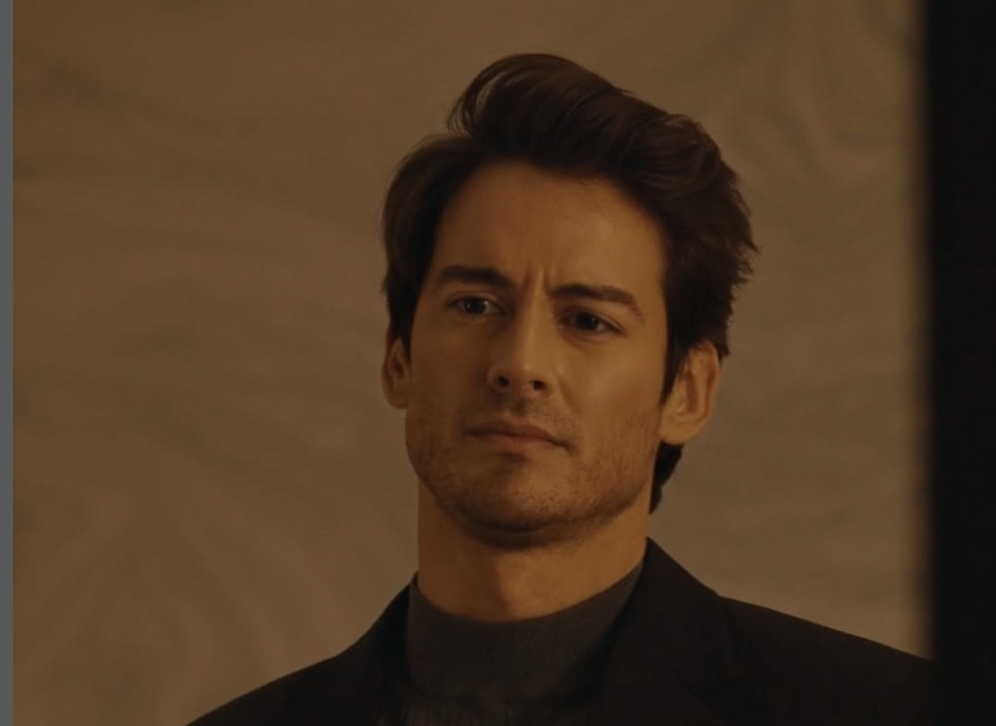
Richard Sharrah is making waves in the vertical drama world, blending classical training with global experience to captivate mobile-first audiences in this fast-rising format.
Jan 10, 2026
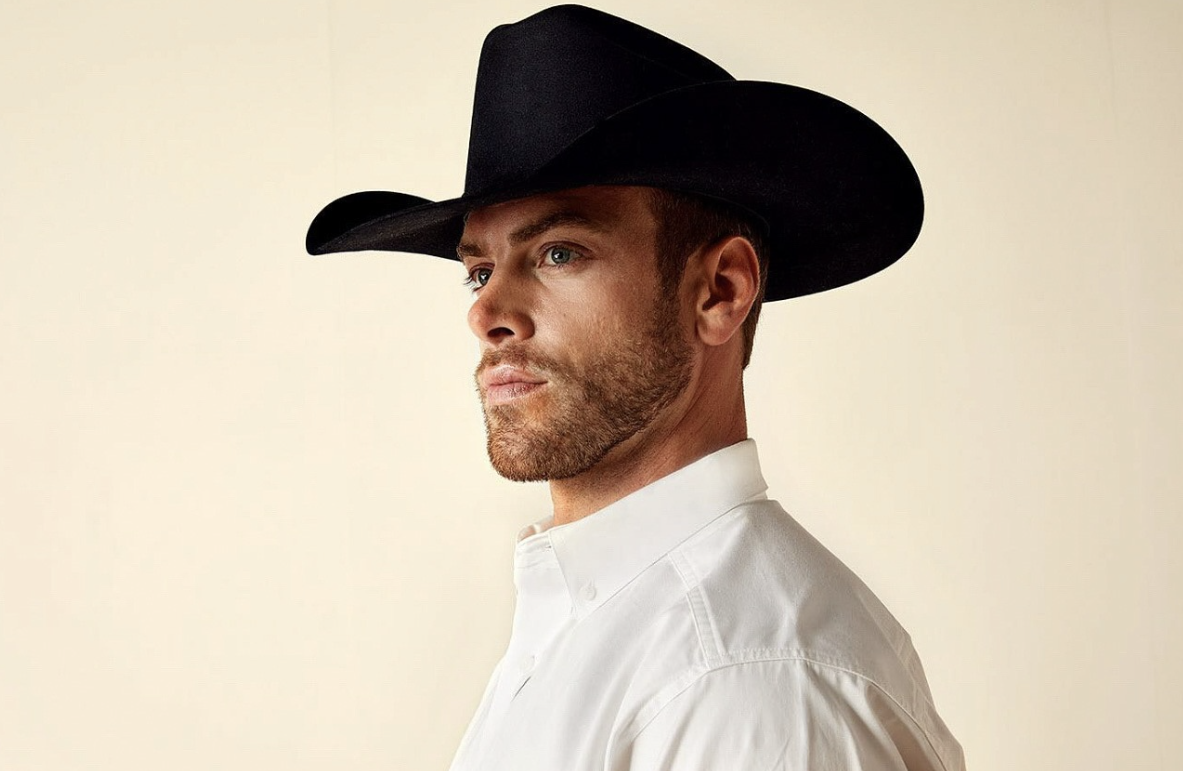
In the fast-changing world of digital entertainment, one name is steadily making waves – Eric Lutz, the charismatic actor captivating millions in the booming world of vertical drama shorts.
Mar 15, 2026

With the rise of mobile-first entertainment, Anna DeRusso has become one of the defining faces of vertical drama, her striking presence and growing list of credits setting her apart in an increasingly competitive space.
Feb 08, 2026
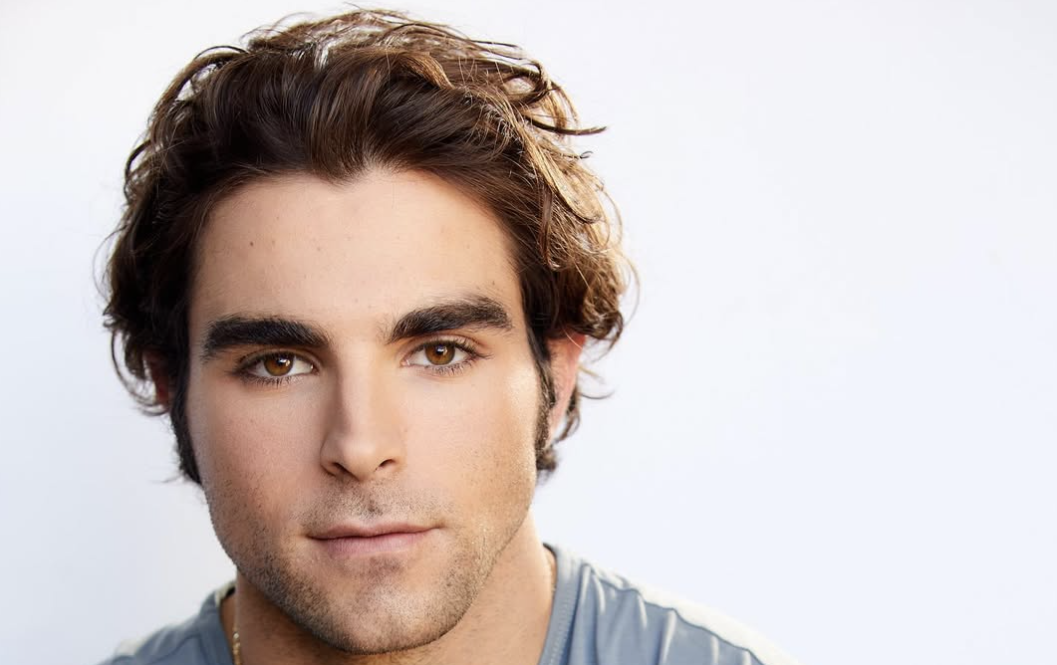
Ben Armstrong's portrayal of Asher King in "If Loving You Is a Sin, Then I'll Go to Hell" brings raw emotion and intensity to a drama that's redefining digital storytelling.
Jan 09, 2026
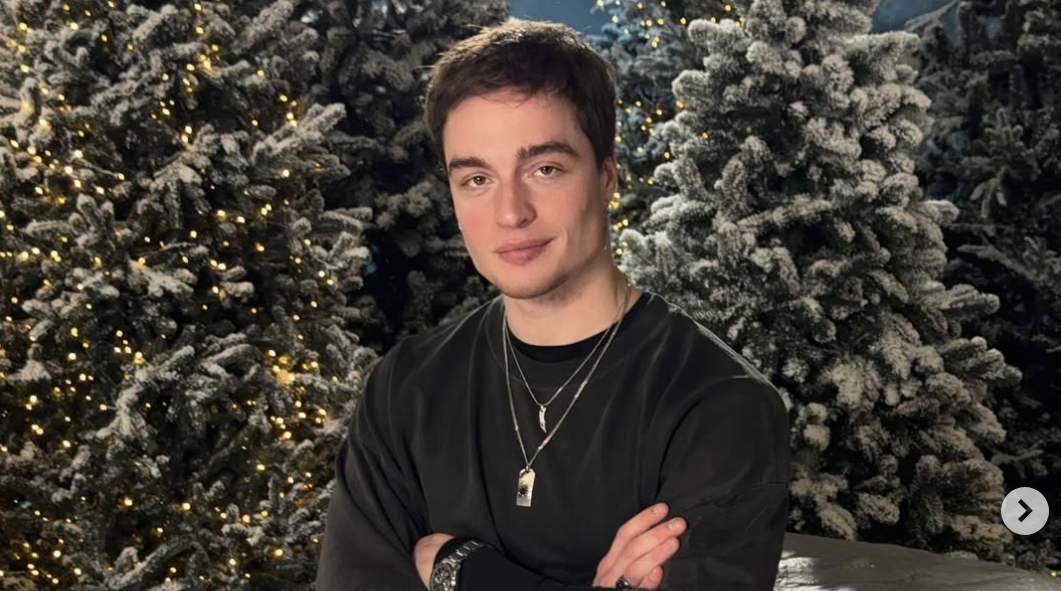
Ukrainian model-actor Nazar Grabar is making his mark on popular micro-drama apps like ReelShort. As the $7 billion vertical drama industry expands, his performances are drawing millions of global viewers.
Apr 07, 2026
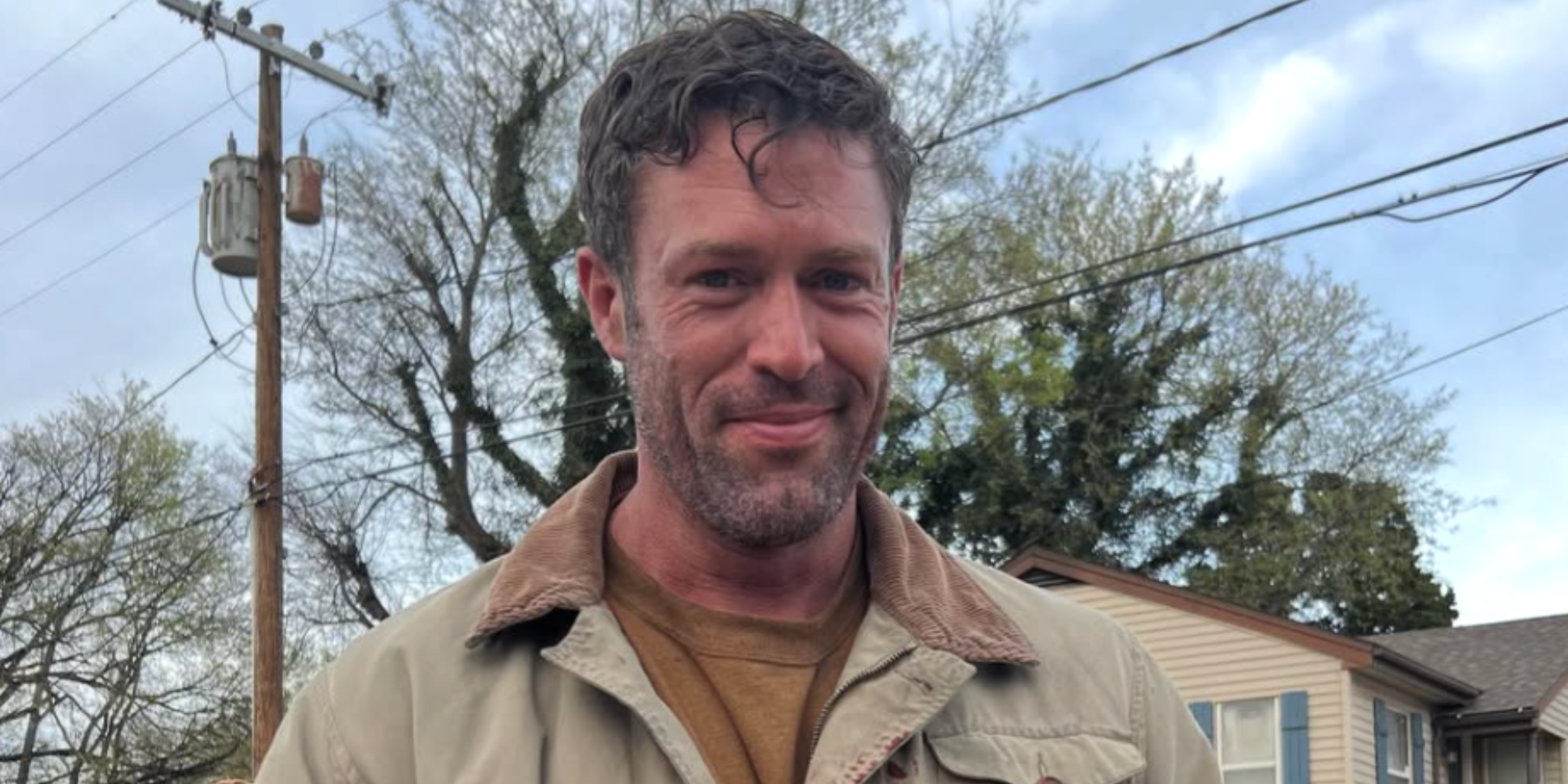
Samuel Whitten has spent years building his career across television, and now he's turning to vertical dramas to take on a wider mix of roles. His recent work shows just how adaptable he is as he continues adding new characters to his growing list of credits.
Feb 07, 2026