Gabrielle Faith Brown on Her Journey from Child Model to Vertical Drama Actress
May 15, 2026


For Olivia Rose Williams, some of the most important moments in acting started long before vertical dramas entered the picture. They started in rehearsal rooms where she felt accepted, emotionally understood, and free to be expressive in ways that did not always feel possible elsewhere.
Now, after projects like “Con Crush,” “Cheer Up Baby,” “Love Under Fire,” “Falling for a Superstar,” “TikTok,” “Secret Stars,” and “Fight Dirty,” Williams has become one of the younger actresses helping shape a more energetic and emotionally open side of the vertical drama world.
Advertisement

Olivia Rose Williams | Source: instagram/oliviarrosewilliams
Williams said acting first entered her life after her mother realized sports were clearly not the right fit.
“When I was little, my mom tried to put me in sports, but I refused,” she said during a 2025 interview on the VertiVerse podcast. “I tried soccer, track. I hated it.”
Dance classes came next, followed by a traveling theater company that visited her hometown each year. She participated in productions including “Cinderella,” “Pinocchio,” and “Rabbit in the Hat,” eventually continuing theater throughout middle school and high school.
But it was during high school productions that acting became something more personal for her.
While performing as Adelaide in “Guys and Dolls,” Williams realized theater gave her a sense of emotional belonging she had struggled to find elsewhere.
Advertisement
“I was low-key getting bullied in high school and then I would go to rehearsal and it would be like a different world,” she explained. “My big emotions were welcomed and not made fun of.”
That emotional connection to performance eventually pushed her toward drama school and professional acting opportunities.
Williams did not originally plan on entering vertical dramas specifically.
She explained that while attending drama school, she began submitting herself for projects on Backstage and Actors Access after seeing friends audition for film work.
One listing immediately stood out to her: “Con Crush.”
“The character was Charlotte,” Williams recalled. “The description was like beautiful, villainous, sexy, but like ruins everything.”

Behind the scenes of "Con Crush: My Duty to You is Eternal" | Source: instagram/oliviarrosewilliams
Advertisement
She submitted an audition tape and quickly booked the role despite having almost no professional film credits at the time.
“I had literally no film credits, only theater,” she said.
Williams later credited director Andrew Aquad and the production team for taking a chance on her early in her career. The project also introduced her to a growing community of young actors working inside the vertical drama space.
Part of what separates Williams from some other younger vertical drama actresses is the way she openly talks about wanting the genre itself to evolve.
During the VertiVerse interview, she reflected on the popularity of billionaire romances and emotionally distant male leads commonly found in many vertical dramas.
“I feel like it’s always very powerful rich men and then they pick the poor person,” she said while discussing common relationship tropes in the genre.
Advertisement
For Williams, one reason she connected strongly with “Love Under Fire” was because the lead female character felt very different from the softer or more passive heroines she often saw elsewhere.

Olivia Rose Williams and costar behind the scenes of "Love Under Fire" | Source: instagram/oliviarrosewilliams
“She’s not meek at all,” Williams said. “She’s a baddie. She’s confident.”
She also praised the project for centering a female lead who pushes back rather than simply reacting to the men around her.
“I feel like that’s something we need,” she said. “I feel like it’s very male-centered and I’m not really about that.”
The role additionally allowed Williams to perform live singing, motorcycle scenes, and large stunt-heavy sequences that gave the production a different feel from more traditional romance-centered verticals.
Advertisement
Like many actors entering the format for the first time, Williams admitted the speed of vertical productions initially surprised her.
“When I first did them, I was so new to film in general that I was like, ‘Oh, this is just how it is,’” she said while describing the fast pace and limited number of takes common on set.
Over time, though, she began viewing the format almost like performance training.
Williams explained that after doing several projects, she reached a point where she could glance at scenes briefly and memorize them almost immediately before filming.
“I feel like you don’t get training like that,” she said.
At the same time, she has also spoken warmly about the friendships and ensemble atmosphere created during many productions, especially while filming “Cheer Up Baby.”
“It felt like we were at theater camp,” she said. “It was just a bunch of people who loved acting and loved the art of it.”
Advertisement
That sense of collaboration appears to be one of the reasons the project remained especially meaningful to her even after it gained a larger online audience.
Even while her vertical drama résumé continues growing, Williams has also spoken about wanting to eventually create projects of her own.
“My goal has always been to just be able to provide for me and eventually my family with what I love to do,” she said.
She also revealed during the interview that she writes songs and hopes to eventually produce short films and original creative projects outside acting.
Outside work, Williams frequently shares behind-the-scenes moments, friendships with fellow actors, and updates from productions through social media.
Advertisement
As vertical dramas continue evolving, Williams appears interested not only in starring in those stories, but also in helping push the genre toward more emotionally expressive characters and female leads with sharper personalities than audiences may traditionally expect.
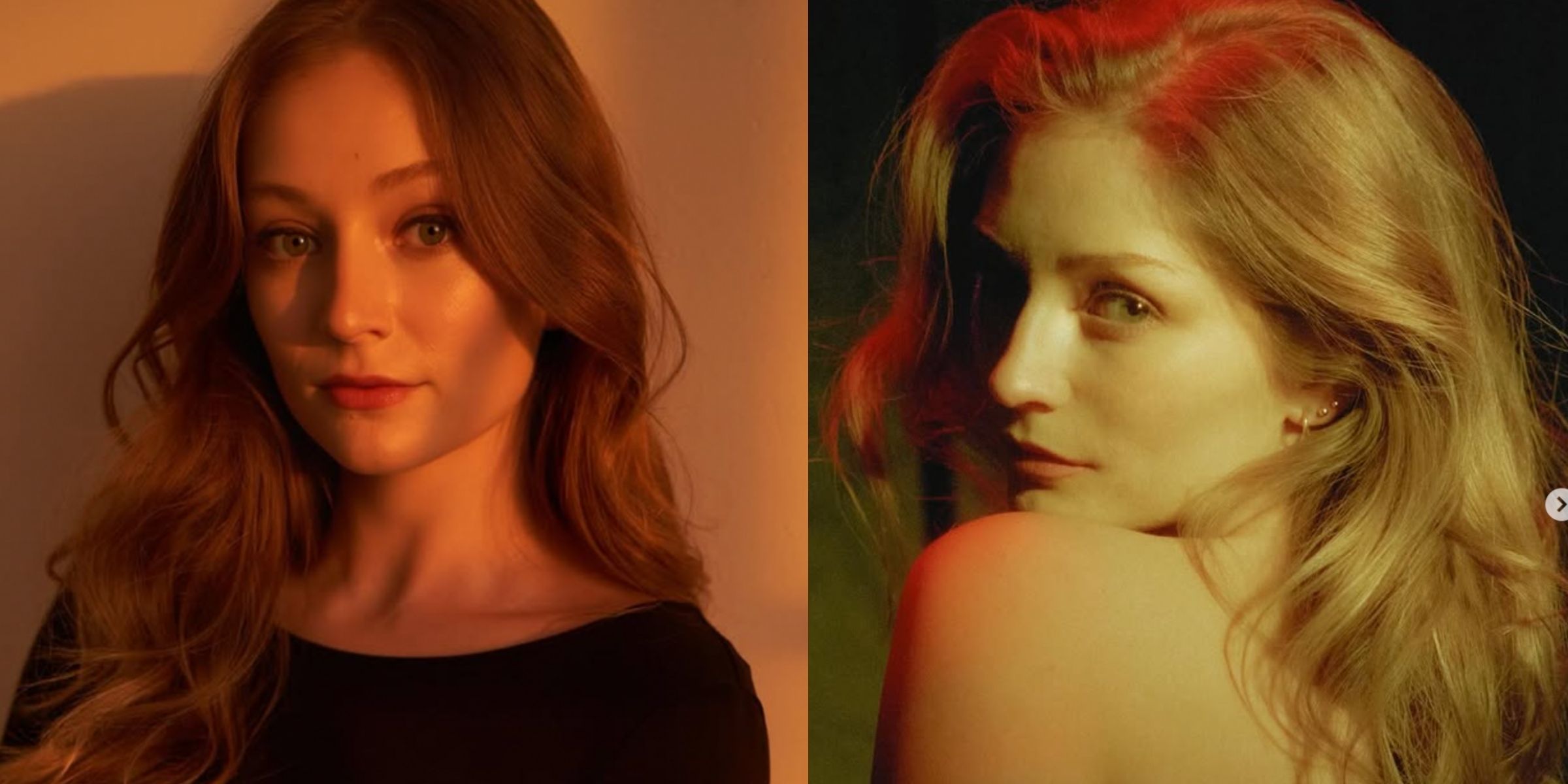
Haley Lohrli didn’t just rise alongside the vertical drama boom — she became one of the faces audiences now associate with its most emotional stories. From heartbreak-heavy romances to morally messy characters, her performances have helped define what the genre looks like as it continues evolving.
May 23, 2026
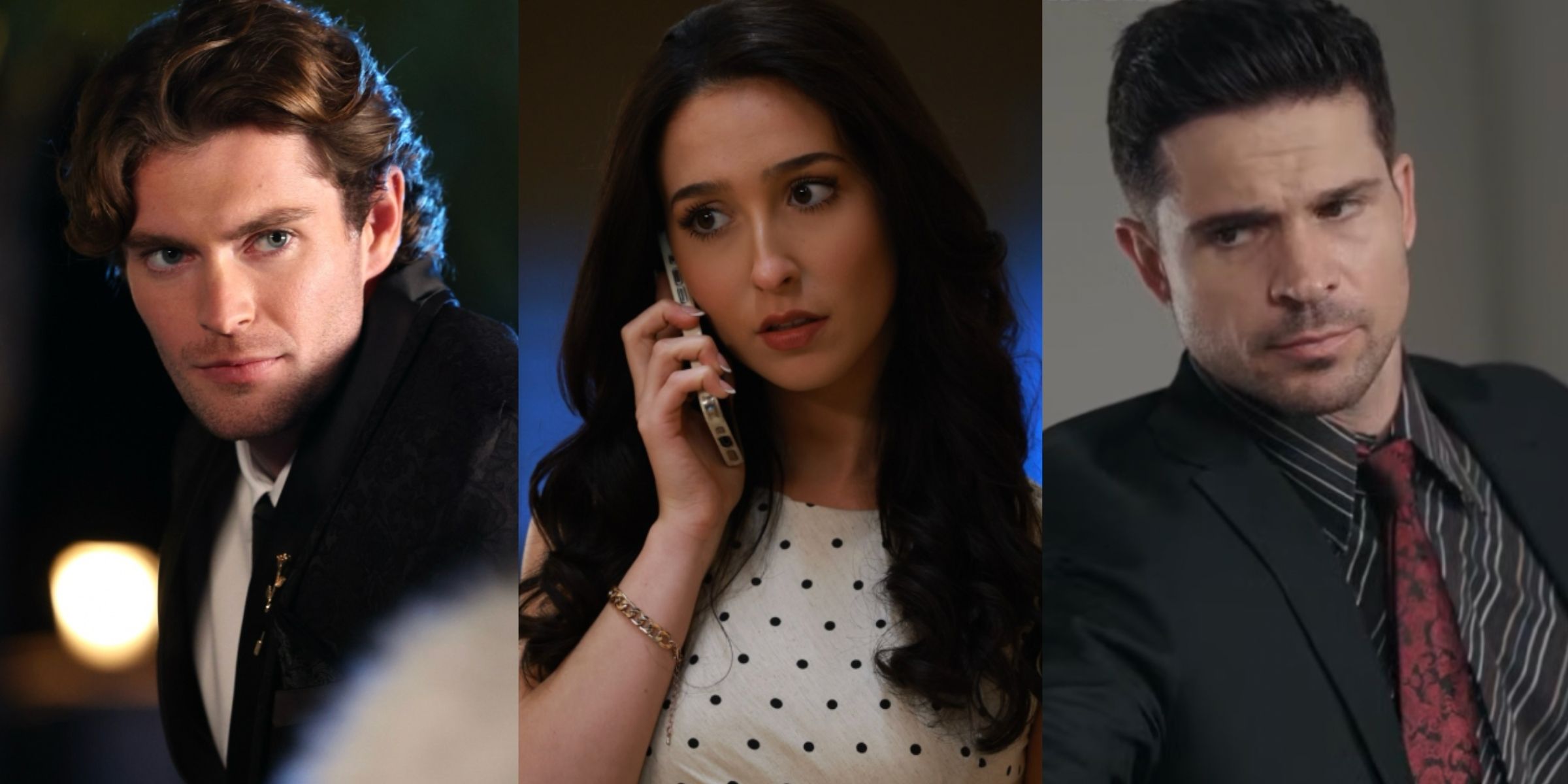
Love, betrayal, and family loyalty collide in "Caught Between the Mafia Brothers," a mafia romance that places one woman in the middle of two powerful brothers. As the story unfolds, the cast brings emotional tension, dangerous relationships, and shifting loyalties to the screen.
May 11, 2026
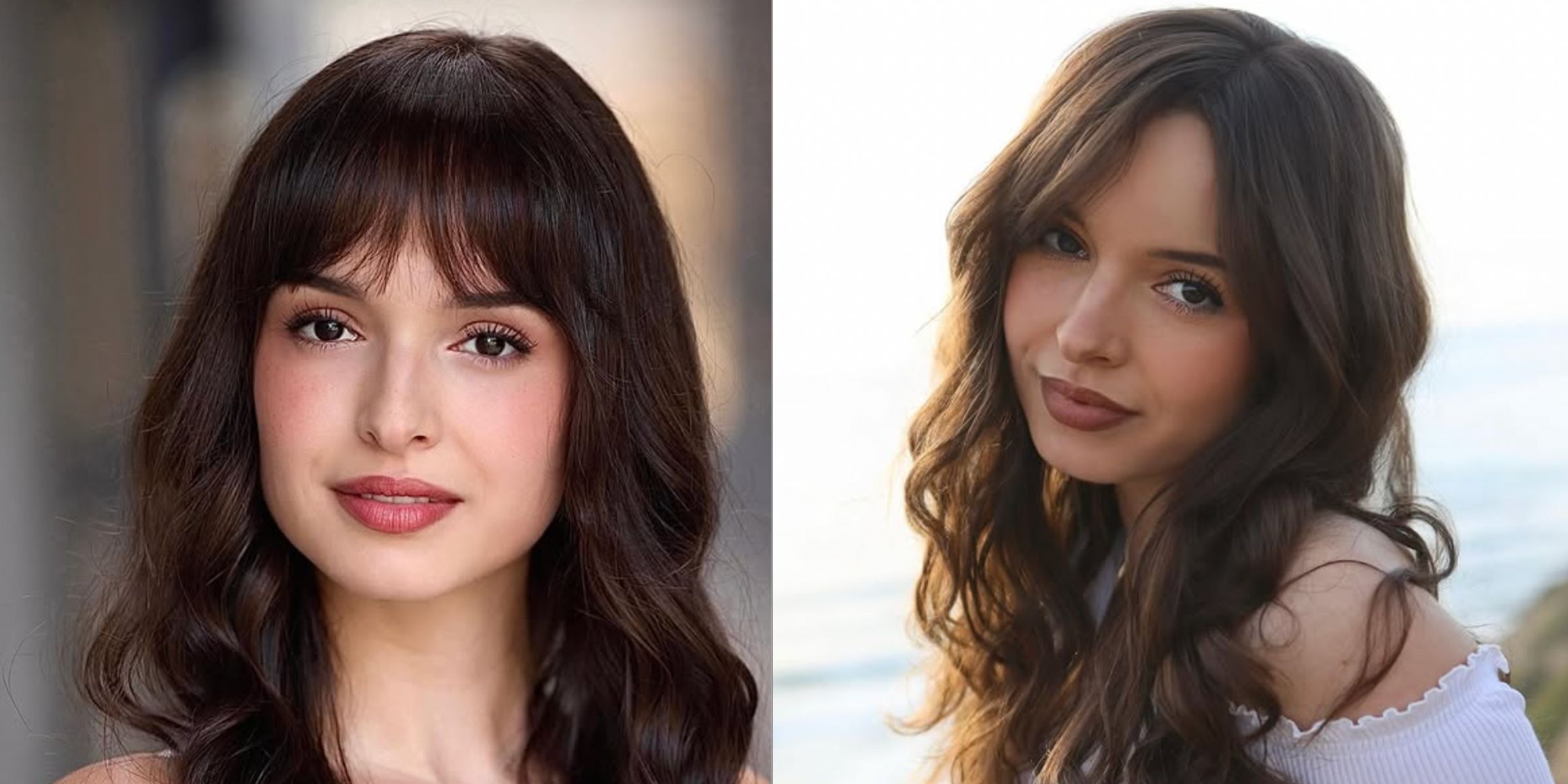
Before becoming a regular lead in vertical dramas, Rosa Singerman was building her path through training and early roles. Now, she continues to grow her career across different projects and genres.
May 06, 2026
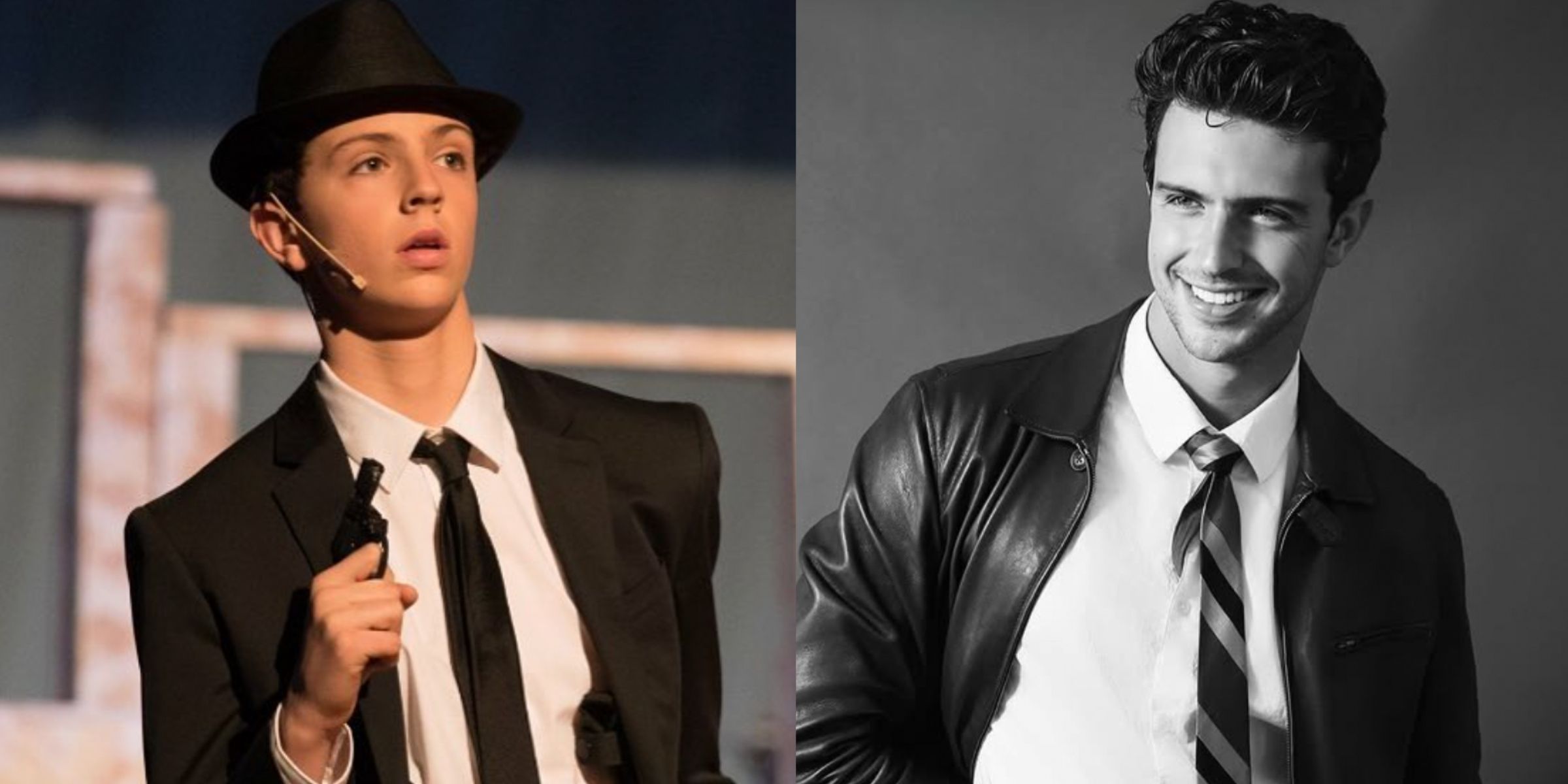
Christopher Quartuccio’s rise in vertical drama has been gradual, but hard to miss. From performing in Long Island theater productions to becoming a familiar face across romance-driven vertical series, he’s built a career that blends athletic charm, easy chemistry, and steady screen presence.
May 11, 2026
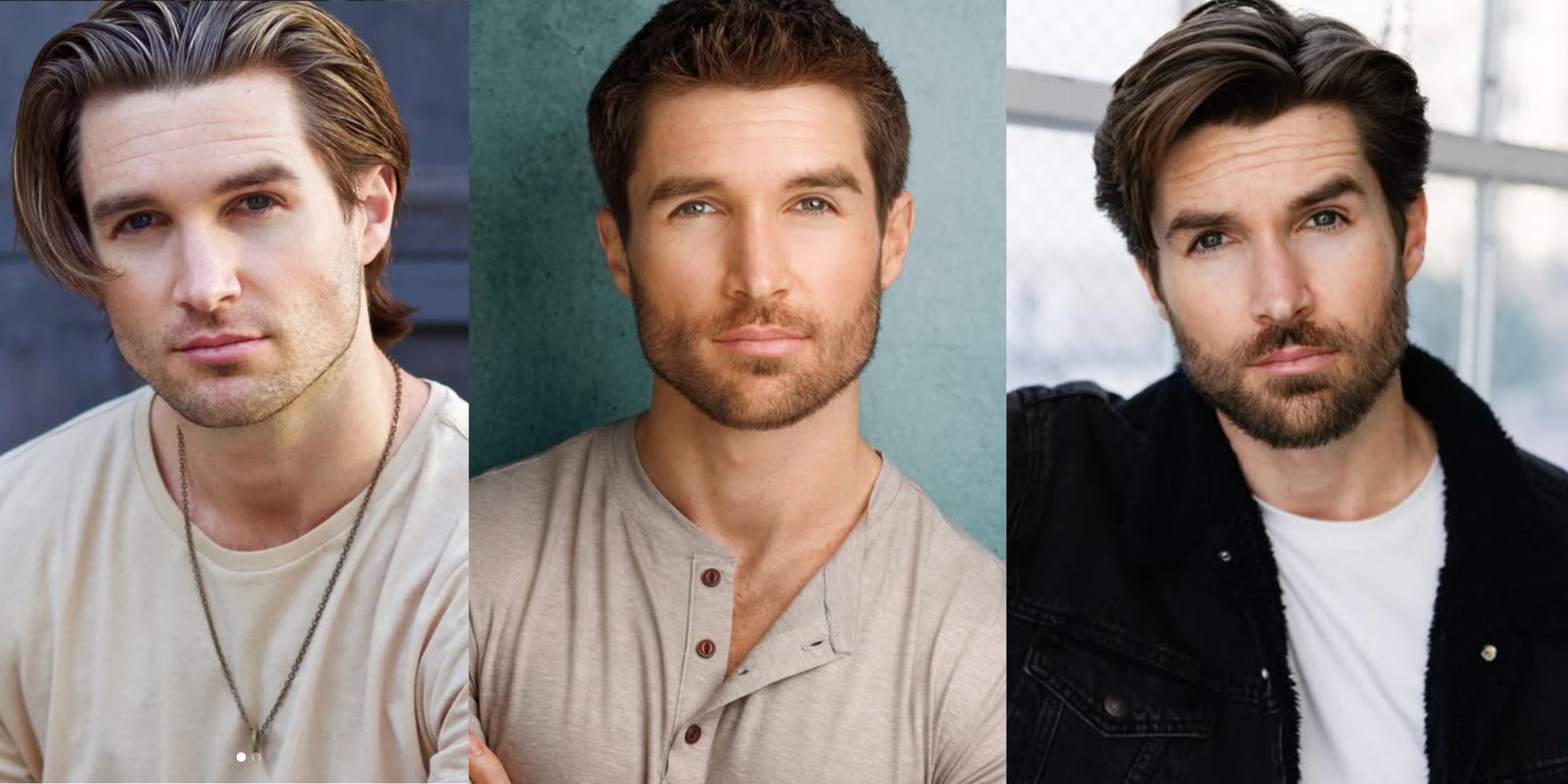
Marc Herrmann’s rise in vertical drama came after years of indie filmmaking, auditions, and creative experimentation in Los Angeles. Now recognized for emotionally intense roles in romance and thriller dramas, he continues balancing acting with writing and directing behind the scenes.
May 15, 2026
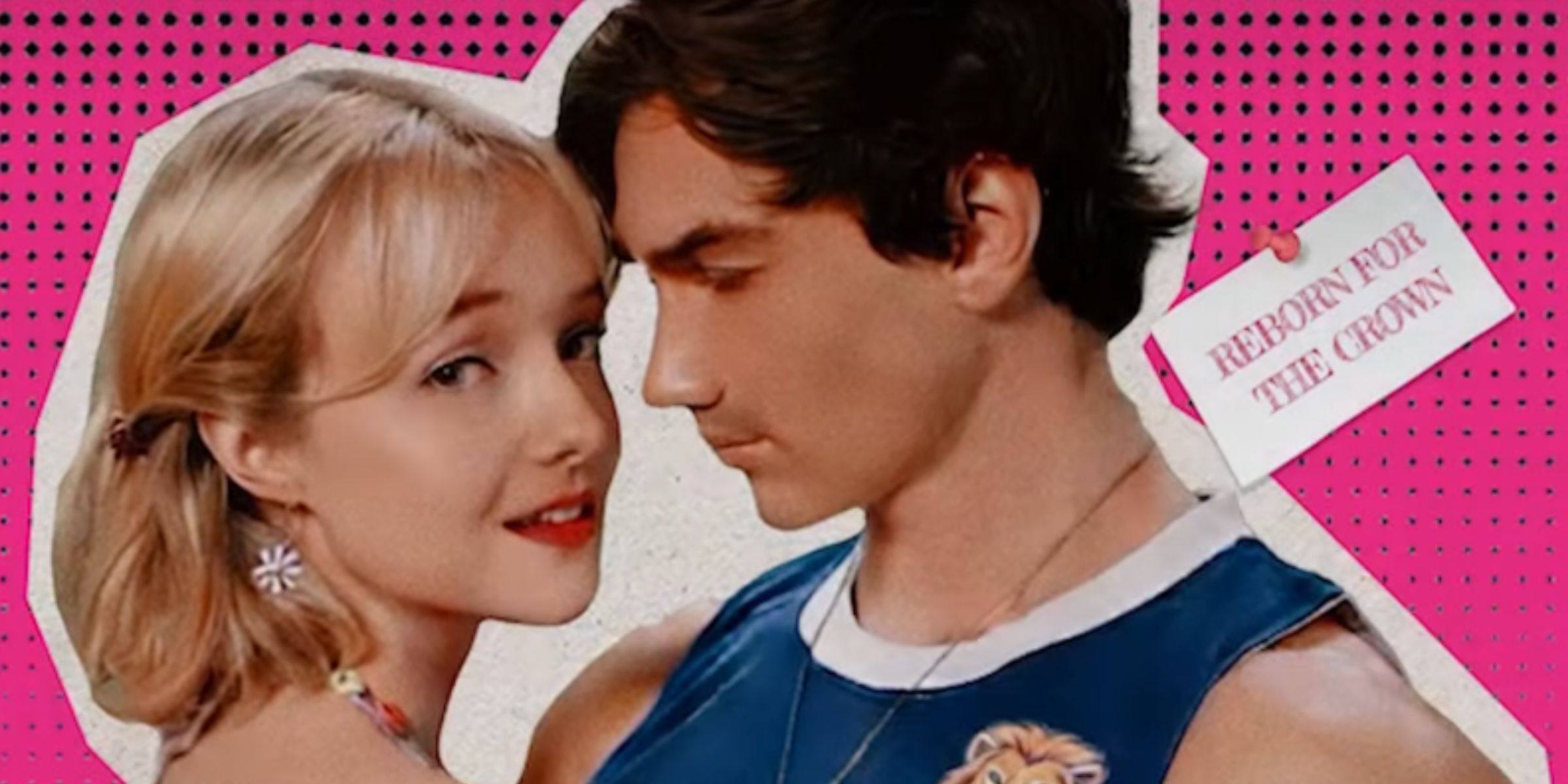
A disastrous high school reunion sends Mia Watkins back to her senior year in “Reborn for the Crown,” a time-travel vertical drama filled with prom queen rivalries, revenge, and second chances. The series stars Meg Bush alongside Shay Dineen and Nicole Alyse Nelson.
May 18, 2026
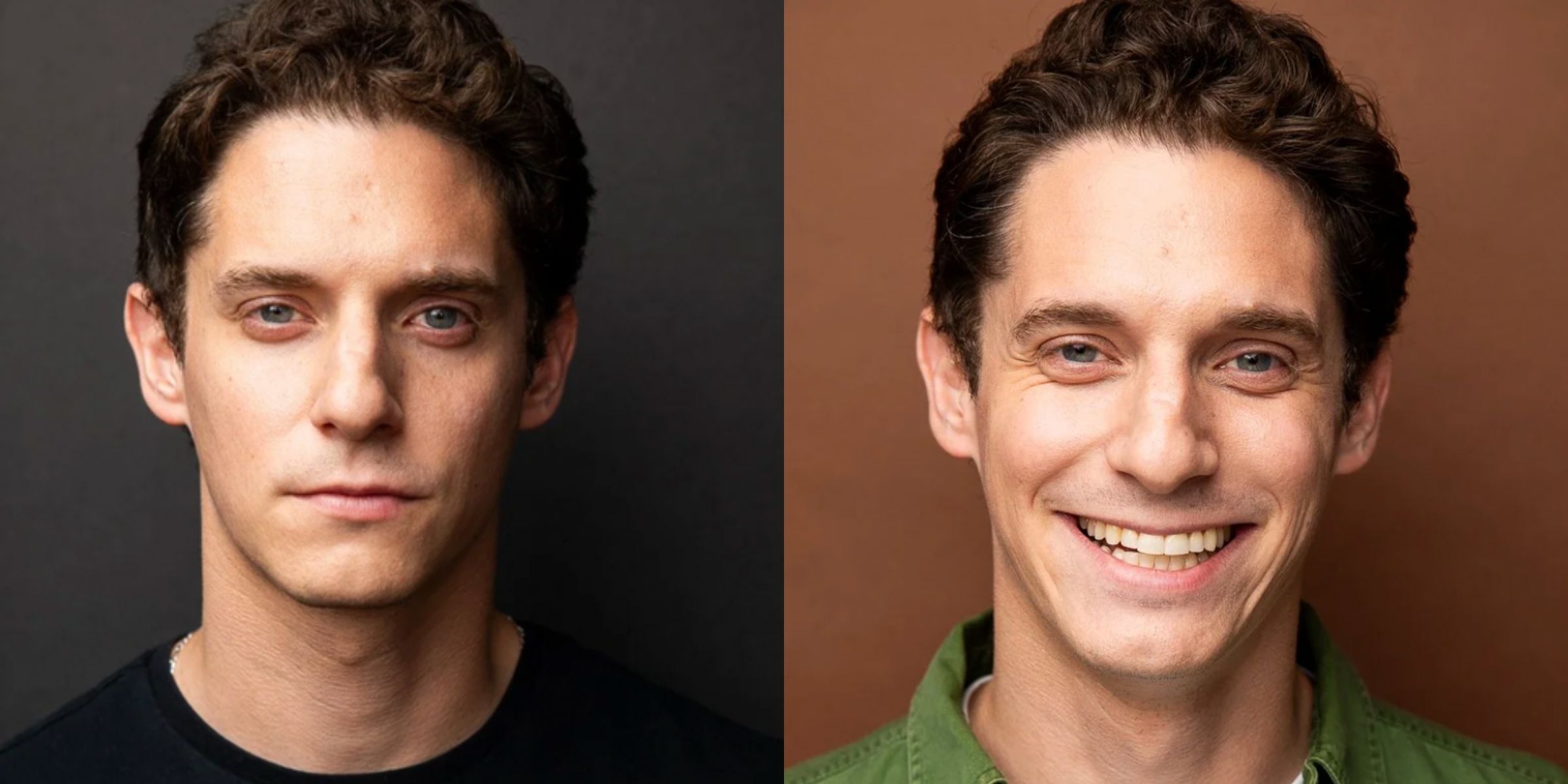
From Shakespeare stages in New York to billionaire romances and mafia dramas on mobile screens, Gabe Armentano’s acting career has taken an unexpected path. Along the way, the Connecticut-raised actor has become one of vertical drama’s busiest leading men.
May 25, 2026
Behind the intense romance and family drama in “My Dark Romeo” is a cast made up of actors who are quickly becoming regular faces in vertical dramas. The adaptation pairs Gabrielle Faith Brown, John Jamieson Michaels, and Tate Doppler in a story filled with tension, attraction, and revenge.
May 13, 2026
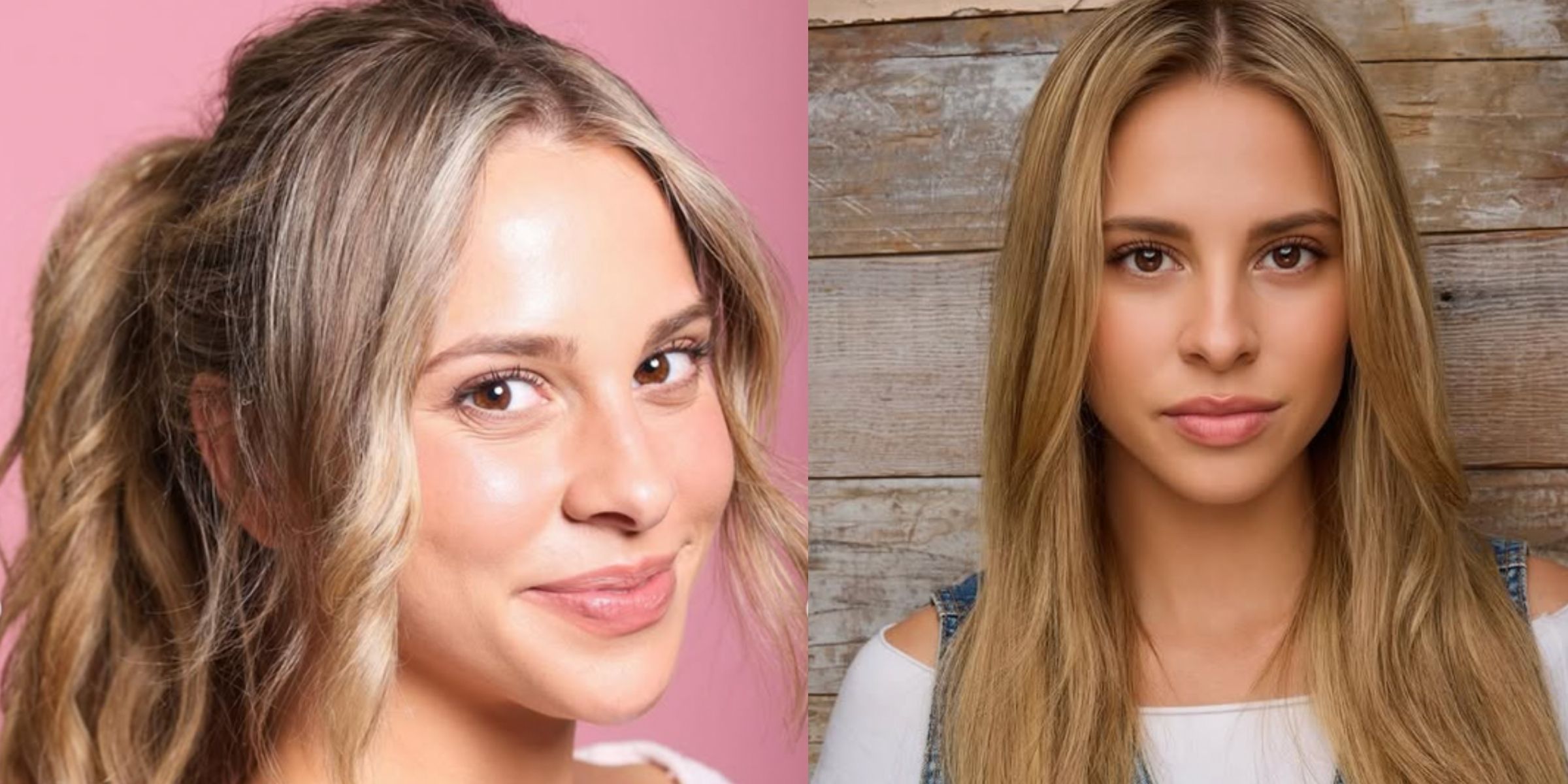
Audiences may recognize Addison Bowman from emotionally charged vertical dramas filled with betrayals, danger, and romance twists. Off screen, though, the actress also spends much of her time behind the camera exploring photography, editing, and visual art projects of her own.
May 24, 2026
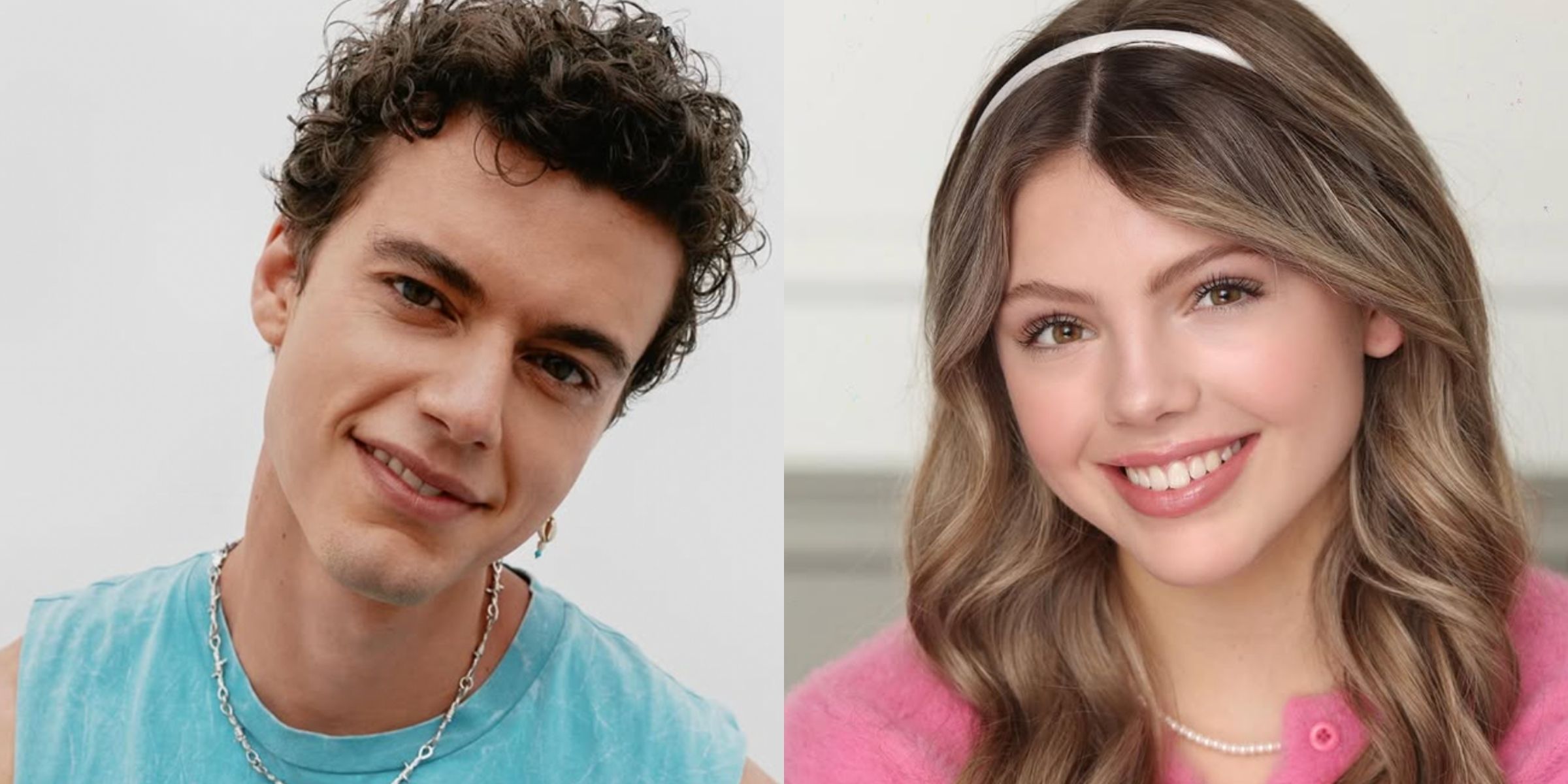
A closer look at the ‘Beastly Lights’ cast highlights the actors behind Candy Jar’s fake-dating music drama led by Neela Jolene and Pablo Kaestli. The series follows a pop star and a reckless rock musician whose staged romance slowly turns real under the spotlight.
May 20, 2026
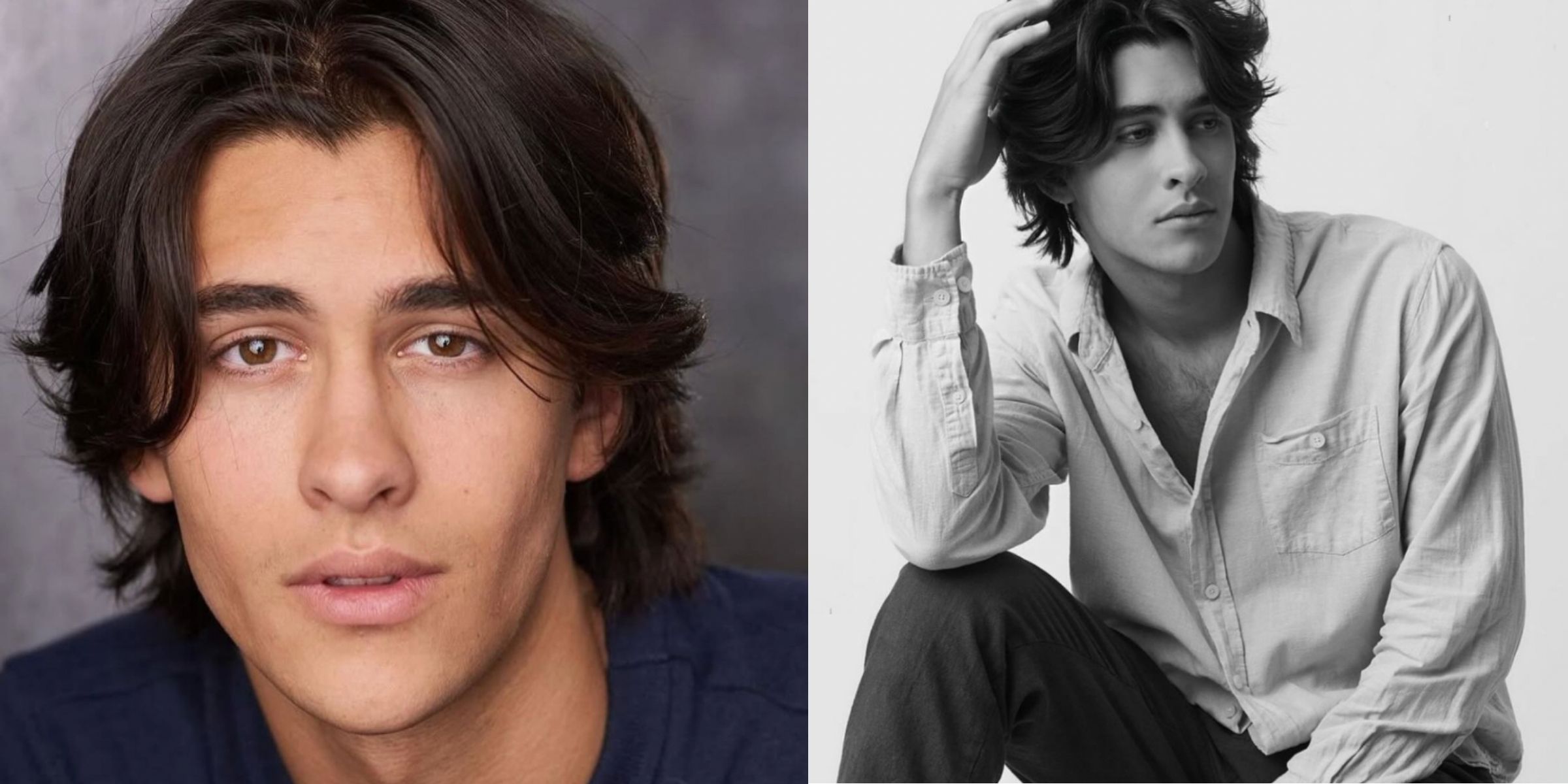
Luke Dodge has quickly become a familiar face in vertical dramas, taking on roles that range from charming leads to more complicated characters. As his presence in the format grows, his path into acting, and how he approaches his work, offers a closer look at where he’s headed next.
May 03, 2026
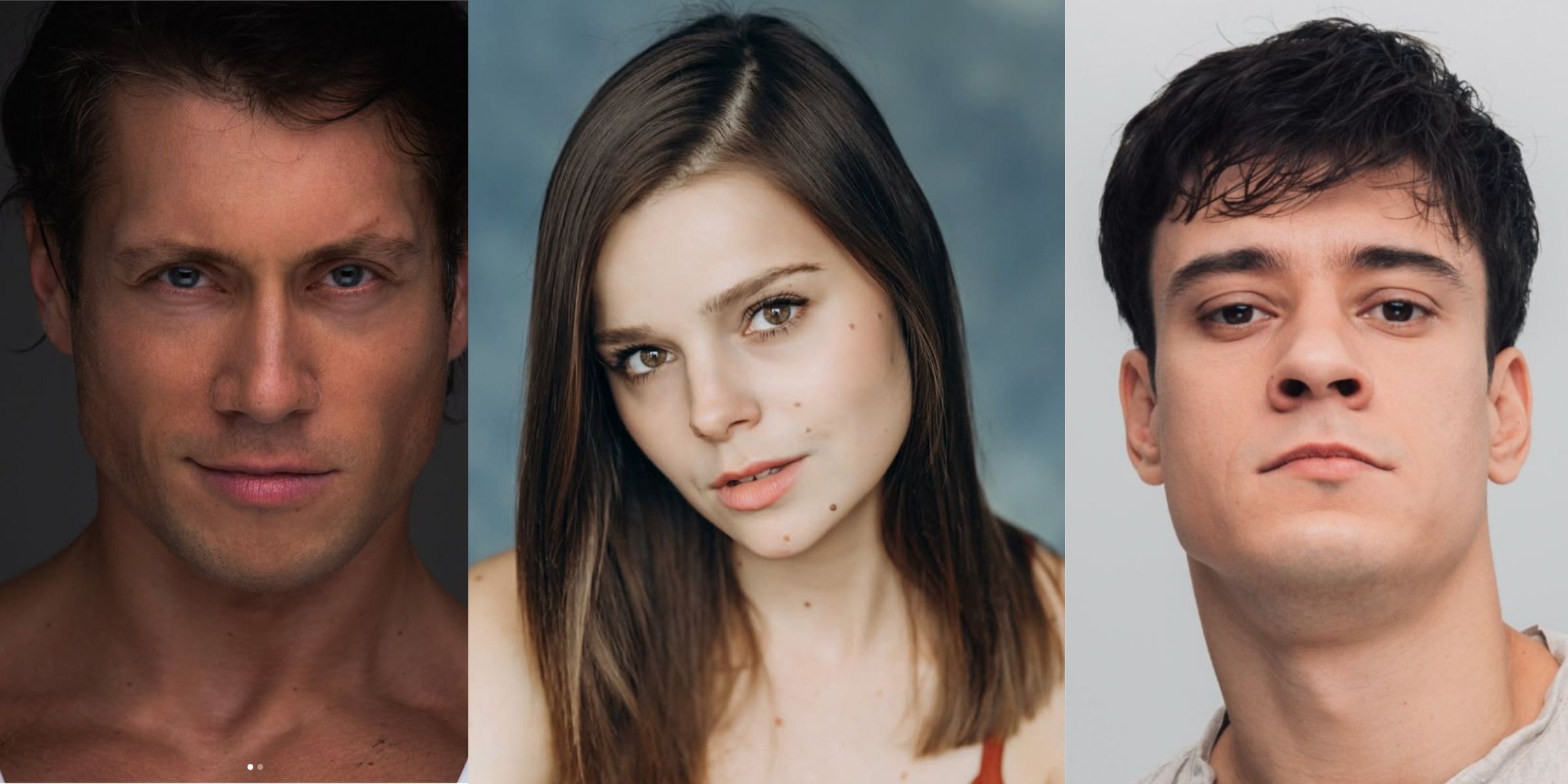
Secrets, betrayal, and unexpected love sit at the center of "Pregnancy Contract: A Love Triangle," a romance drama that follows one woman caught between the life she’s trapped in and the future she never expected.
May 12, 2026
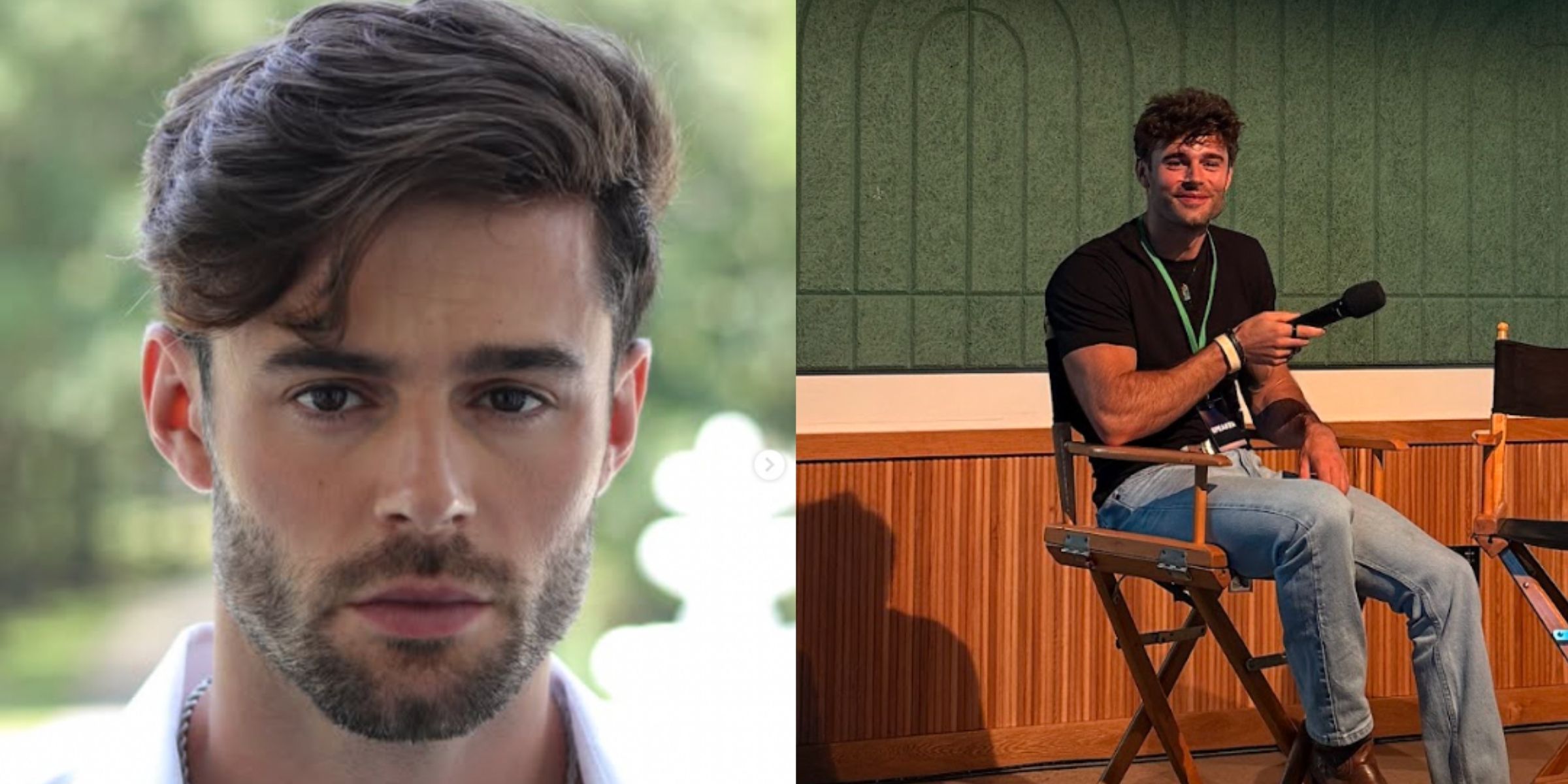
Eric Guilmette says vertical drama has come a long way from where it started. During a conversation at the LA Vertical Drama Market, the actor and producer spoke about the industry’s changes and the kind of stories he hopes to see more of in the future.
May 13, 2026
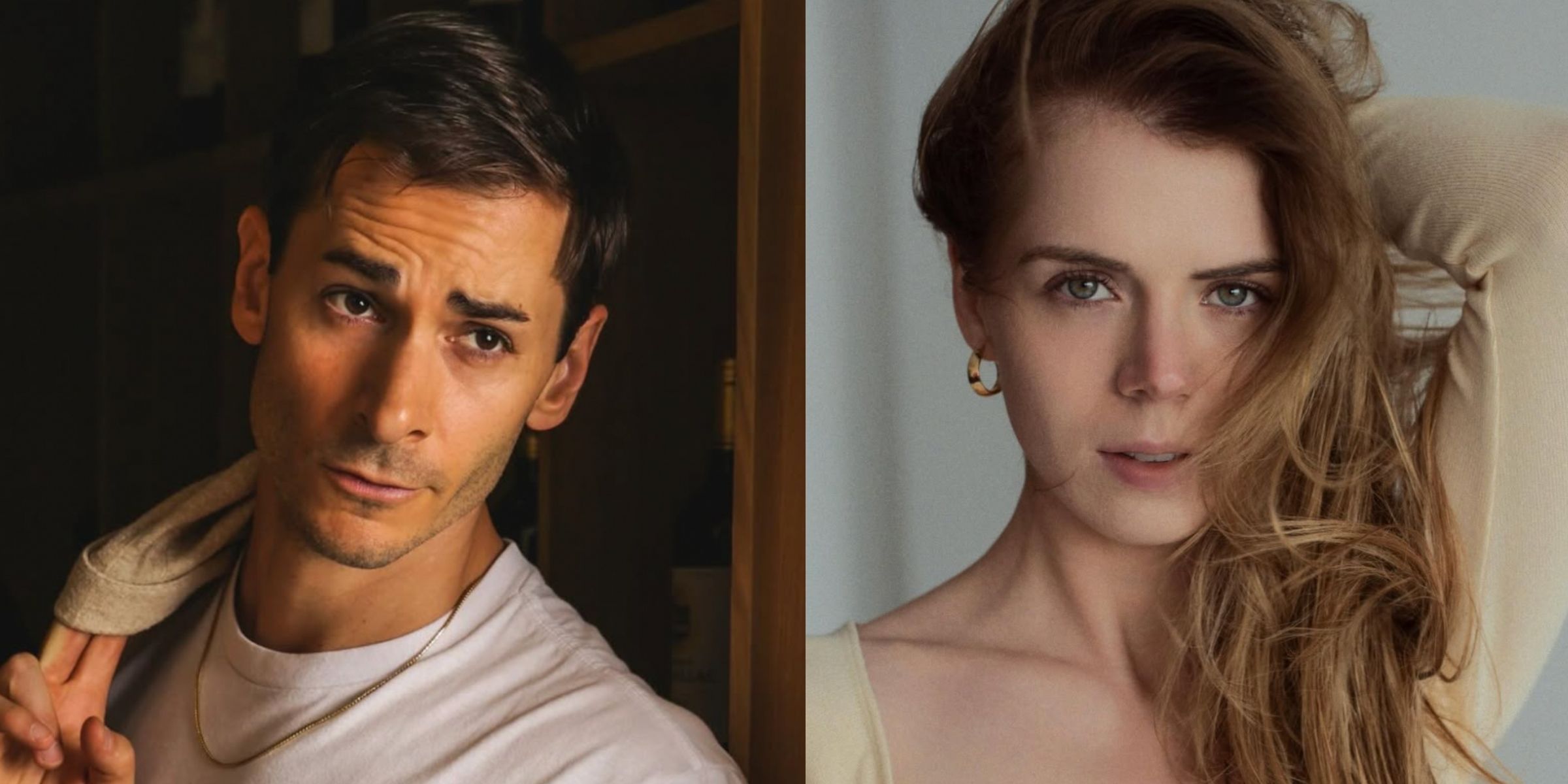
Leading the "Tempting the Mafia Twins" cast are Ryan Vincent, Kiley Pearson, and Anton Krasavin, whose characters become entangled in a complicated web of loyalty, attraction, and secrets.
Mar 14, 2026