

'Chained to My Nemesis': A Review and Conversation with Writer Adrion Trujillo
Jun 22, 2026



There is something immediately intriguing about a drama built around childhood games deciding the fate of a multimillion-dollar inheritance.
It sounds like an irresistible high-concept setup, and to be fair, "Inheritance Games" absolutely knows how to embrace the idea. Watching three privileged siblings forced to compete against the very people who have spent their lives working for them creates plenty of genuinely entertaining moments.
Advertisement
Then, somewhere along the way, the games quietly stopped feeling like games.
Every challenge became less about who would win the inheritance and more about who these people really were when privilege could no longer do the work for them.
The competition gradually unfolds into a character study, revealing old family dynamics, bruised egos, quiet kindness, and the different ways people learn, or fail to learn, what respect actually looks like.
That emotional evolution only lands because the cast commits to it so completely. Rather than treating the premise as a novelty, they allow every victory, setback, and family clash to expose another layer of their characters. Slowly, the mansion begins to feel less like the setting for a competition and more like a home carrying years of unspoken history.

The poster for "Inheritance Games" | Source: IMDb
What makes the ensemble work so well is how distinct every presence feels inside the same emotional ecosystem. Tarick Glancy, Kokila Mohini Beri, Lisa-Marie Spiegel, Arnav Maggo, Disha Thakur, Anumeha Jain, and Benedict Garrett each bring a specific texture to the mansion, allowing every rivalry, alliance, and fracture in the family dynamic to feel alive rather than repetitive.
Benedict Garrett, in particular, as Wilson the family lawyer, becomes an unexpected highlight, his completely serious delivery turning even the most absurd situations into something that feels legally urgent in the funniest way.
Advertisement
Even when the final stretch lingers on the competitions a little longer than necessary, it never loses its grip because by then the real hook is no longer the games. It is the people playing them.
What makes "Inheritance Games" especially refreshing is its confidence in simplicity. Rather than leaning on spectacle, it builds everything through character and relationships, allowing its unusual premise to deepen naturally with each episode.
There is a quiet indie spirit running through the storytelling that gives it an identity all its own. By the end, it leaves you with a simple but lasting reminder: power can be inherited, but character is something you have to earn.
Independent filmmaker, writer, and actor Ed Robinson has worked across film, television, and now vertical storytelling, with "Inheritance Games" marking the first English-language vertical series shot entirely in India.
One of the things I enjoyed most after finishing the series was discovering where its wonderfully unconventional ideas came from. I had the pleasure of speaking with Ed about creating a story from such an unexpected premise, writing characters whose flaws feel recognizably human, and the thinking behind a drama that uses simple childhood games to explore family, privilege, and personal growth.
Liz: The idea of deciding an inheritance through childhood games feels wonderfully unexpected. Where did that come from?
Advertisement
Ed Robinson: It's funny, when adult children get together, no matter how old they are or if they're married, have kids, fancy jobs etc, once they're back together the childhood dynamic, those roles, automatically snap back into place. So, it was a bit of a play on the idea that when you're back in your family home you're a kid again, and these three adults had to play by their fathers rules, even when his rules are a series of fairly psychotic and dangerous games. Also I just plain like the idea of rich kids with a life of leisure having to earn their money against people who've done so their whole lives.
Liz: The games feel simple, yet every challenge reveals something new about the characters. Was that intentional?
Ed Robinson: I wanted each game to feel familiar. Each game the audience should see and think "well I could play that," because when they do then they start to think of themselves in that situation and how they would handle it, how they would win or how they would fumble. Obviously the three siblings, the villains, always think that because the games are familiar they'll be easy, because everything in life has been easy for them, so it's fun to watch them crumble at the slightest inconvenience.
Liz: The household staff became the emotional heart of the story for me. Was there a particular moment with them that meant the most to you?
Ed Robinson: There is a scene I really like where one of the house staff decides she's had enough and chooses to eat dinner at the main table with the heirs. I live in India, where this series was also filmed, and sadly there is still a deeply pervasive class divide. I have seen heartbreaking instances of house staff being subdued and belittled by their employers, and I would love to see more of them stand up to it. This was just a way of living out that hope.
Also fun fact, I work in street outreach for homeless kids here in Mumbai, and the three house staff Arun, Keerthi, and Sapna were each named after one of the kids.
Advertisement
Editor’s Note: Hearing the story behind that moment made me see it differently. It reminded me that some of the quietest scenes often come from the most personal places.
Liz: Which character was the most enjoyable to write?
Ed Robinson: Villains are always the most fun to write. The three siblings were each written specifically for the actor who ended up playing them. Lisa-Marie Spiegel, Kokila Mohini Beri and Tarick Glancy are three actors who I've worked with many many times over the years so it was a lot of fun to write specific dialogue or motions that I knew they would pull off perfectly.
Liz: What do you hope audiences take away after watching the series?
Ed Robinson: I hope for the most part that it's fun, and a satisfying watch. I've really enjoyed watching the rise of verticals as a medium over the last few years, it reminds me of the B-Movies of the 50's and 60's that were made purely for the joy of it. Verticals have lower budgets and often lower production values, but if people can look past that I think they'll realise why. You strip away the excesses of big budget movies and they don't have much else left to offer, stories are thin and heavily dependent on spectacle. Verticals have gone the other way, little in terms of big spectacle, but strong in story-telling, novel narratives, and a goal to just be enjoyable.
After reading Ed's answer, I couldn't help smiling.
It perfectly explains why I keep finding myself drawn to indie vertical dramas. Sometimes all you really need is a story with heart.
It is easy to walk into "Inheritance Games" expecting a lighthearted competition wrapped in family chaos. What I did not expect was how naturally it became a story about dignity, empathy, and the quiet ways people reveal themselves when the rules suddenly change.
What stayed with me was never the outcome of the competition. It was a quiet reminder that character is often revealed in ordinary moments, especially when nobody is watching and there is nothing left to hide behind.
Advertisement
For an independent vertical built around such a playful concept, "Inheritance Games" has an unexpectedly generous heart. It made me laugh, quietly cheer for the underdogs, and reminded me that respect is not earned through wealth, status, or family name. It is earned through the choices we make when life finally asks us to play fair.
About the Author:
Liz is the voice behind PortraitStoryDiaries, writing reflective reviews that explore the emotional layers of vertical dramas. Her work highlights the craft, performances, and quiet storytelling moments shaping the evolving vertical drama landscape.

This whole drama feels like a fever dream written by a hopeless romantic who got tired of toxic bad boys and decided the greenest flag imaginable should be trapped inside a magical painting.
May 10, 2026

"Fight Dirty" throws underground MMA fights, fake dating chaos, bruises, flirting, and emotional damage into one ring and somehow makes it all work. It feels young in the messiest, most believable way possible.
May 23, 2026

We all have that one quiet fear we don’t really say out loud… that maybe, deep down, we’re not enough exactly as we are. "The Summer I Turned My Sexiest" takes that universal fear, holds it gently in its hands, and shows us exactly why we are wrong.
May 05, 2026

Somewhere between the chaos and the chemistry, "Saved by the Sexy Cowboy" becomes something softer than I expected. Underneath the horse riding and tension sits a story about healing, trust, and learning how to stop living in survival mode.
May 19, 2026
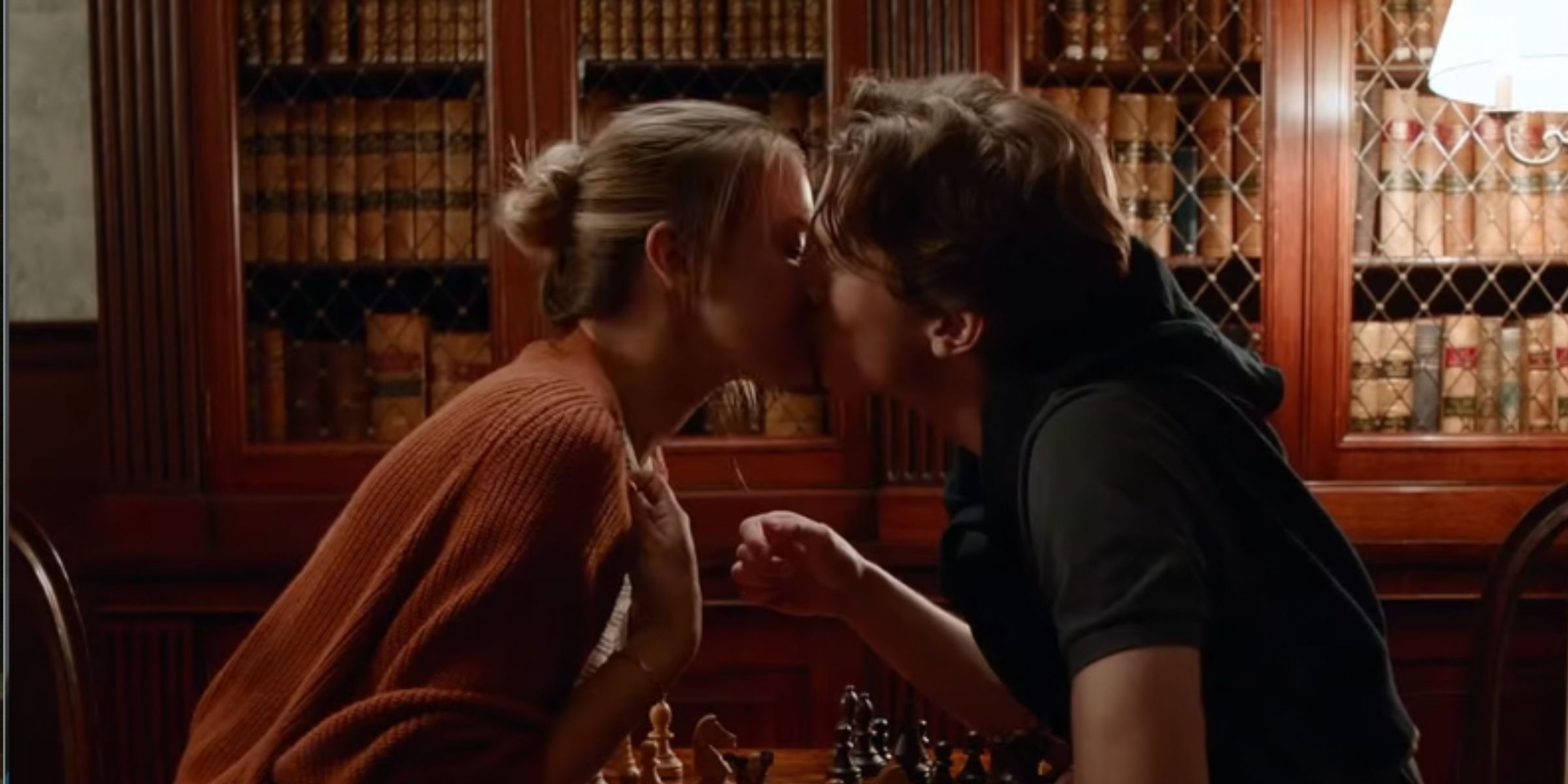
It is a wonderfully rare thing to discover a vertical drama that does not just ask for your fleeting attention, but genuinely wins your heart through the quiet thrill of a genuine conversation.
Apr 28, 2026
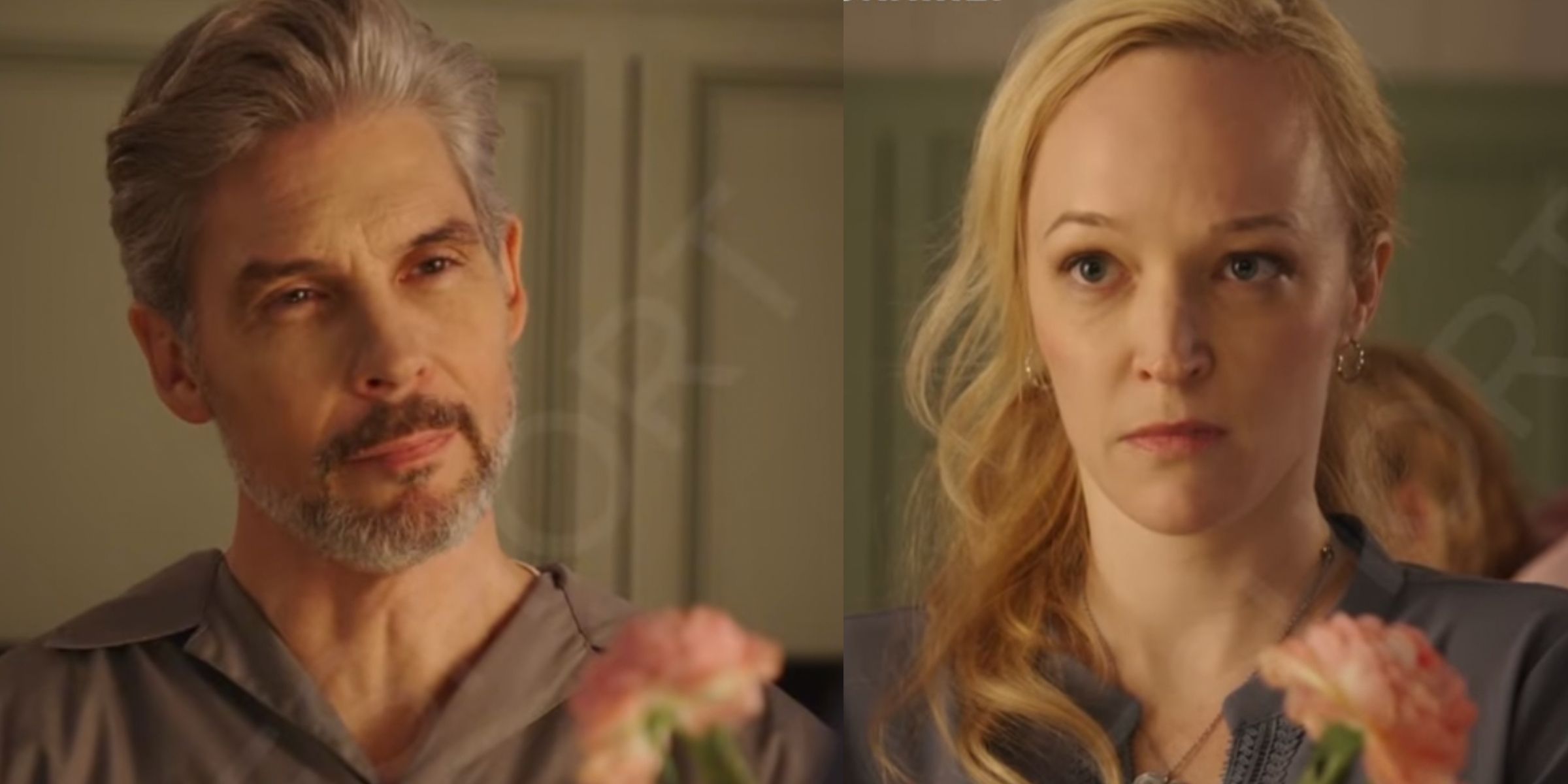
Who would have thought a second-chance romance at fifty would end up being this charming? "Remarried at 50: My Husband Turns Out to be a Billionaire" is pure vertical drama happiness, and before I realized what was happening, I had emotionally adopted an entire fictional family.
May 07, 2026

What makes this one stand out from the usual power-based dark romance setup is that it feels more grounded in fear, damage, and trust. The uneven dynamic does not feel like it is only there to make the story darker; it feels connected to what both characters are carrying emotionally.
Jun 19, 2026
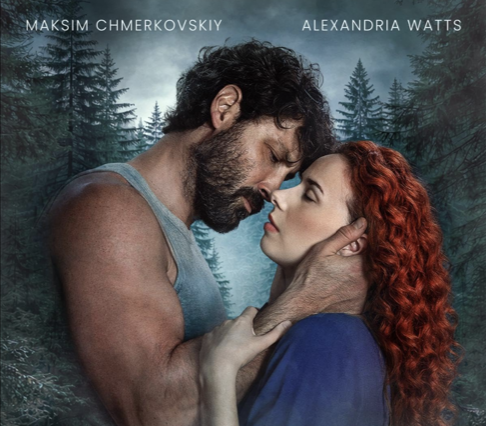
A tense wilderness drama slowly unfolds into something far more intimate. What begins as a survival story gradually reveals something deeper. It becomes a portrait of trauma, grief, and the quiet courage required to rebuild a life after everything has been shattered.
Mar 18, 2026

"Straight Until He Kissed Me" is vibrant, colorful, and full of chaotic rom-com charm that makes you grin without even realizing it. It knows what kind of story it wants to be from the first episode: playful, cheeky, fast-moving, and completely committed to its own sparkle.
Jun 14, 2026

Beneath the speed is something much heavier: grief, trauma, guilt, and two people trying to outrun versions of themselves they do not yet know how to forgive.
May 28, 2026

"Love in Oblivion" begins like a mystery, but it quickly turns into something far more unsettling. It is not just about what happened, but about what it feels like when the truth refuses to stay still.
Apr 02, 2026

"Pregnancy Contract: A Love Triangle" plays its drama painfully straight. The atmosphere feels heavy almost immediately, and once the story tightens around Julia, it rarely gives her, or the audience, room to breathe.
May 12, 2026

"Step by Step" is romantic, painful, visually gorgeous, and emotionally sincere. It takes a trope many of us thought we were tired of and makes it feel fragile, intimate, and alive again.
Jun 08, 2026

There is something so sincere about the way this drama unfolds, like the people behind it poured part of themselves into every scene. I finished it with a full heart, a silly smile, and the very real feeling that I had just found a new comfort drama.
May 31, 2026